Quantum Progress Going Mainstream
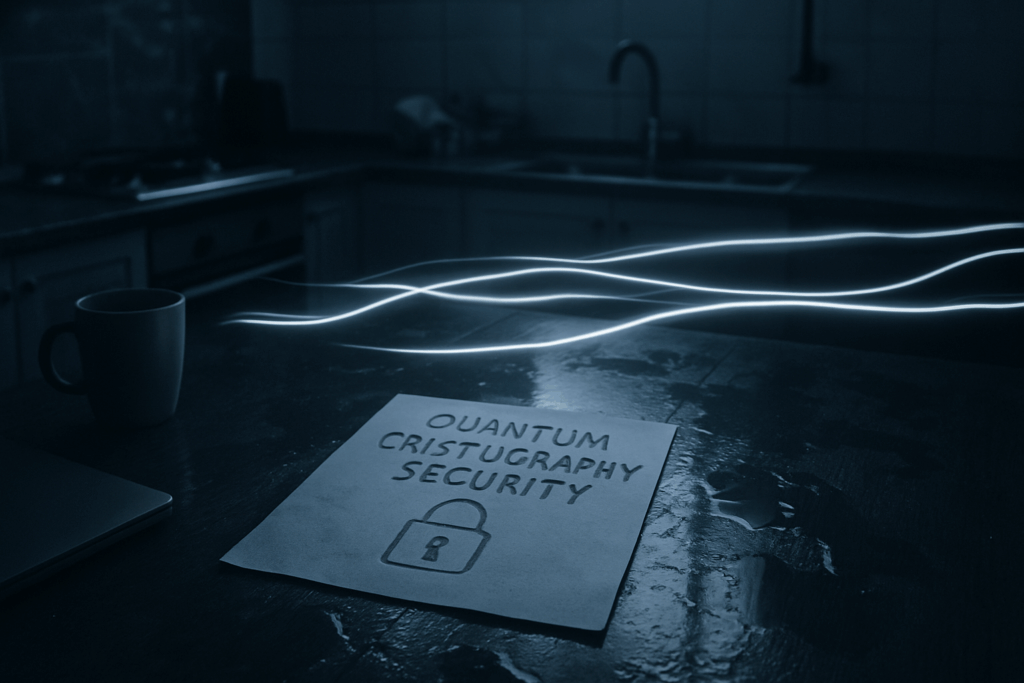
Quantum computing just took a leap from lab coated hype to serious strategic momentum. Intel crossed a major threshold by breaking the 1,000 qubit barrier, but it’s how they did it that matters error correction was at the core. That changes the game. It means these machines aren’t just powerful; they’re starting to get reliable.
Across the Atlantic, Germany opened a new front: a Europe wide quantum cloud platform offering open access to researchers. It’s not just big science it’s a signal. The EU wants to unify talent and tech under one roof, giving startups and applied researchers the same tools the giants use. No more gated labs. Just compute power on tap.
Meanwhile, quantum’s real world rollout is here. Enterprises are now tapping quantum not just for modeling molecules, but for solving messy logistics problems. Scheduling routes, optimizing resources, even portfolio risk quantum’s fingerprints are already turning up in boardrooms.
For a deeper dive into the major players and what they’re building, check out Quantum Computing Updates What Major Players Are Working On.
AI Integration Hits the Physical World
AI’s no longer stuck behind a screen. It’s walking, lifting, and making predictions in real time. This week, NVIDIA unveiled a new AI interface optimized for robotics and IoT systems a framework purpose built for low latency decision making. It’s less about crunching numbers in a cloud data center and more about street level reaction time. Think warehouse arms, autonomous delivery bots, or smart traffic nodes that don’t wait for a server to tell them what to do.
Meanwhile, Ford announced a partnership with OpenAI aimed at squeezing inefficiency out of their logistics. By looping predictive analytics into their warehouse operations, they’re now catching downtime before it hits. The system learns from machine behavior patterns, flags red zones before they go south, and helps avoid costly delays.
Why is all this happening at the edge? Because milliseconds count. Edge AI works where the action is on the factory floor, down the pipeline, or on the device. It cuts out round trip lag to the cloud and back. For latency sensitive environments, that speed isn’t just nice it’s necessary. And for companies trying to survive tight margins or push into automation? It’s a serious advantage.
Consumer Tech: Wearables That Listen to Your Body

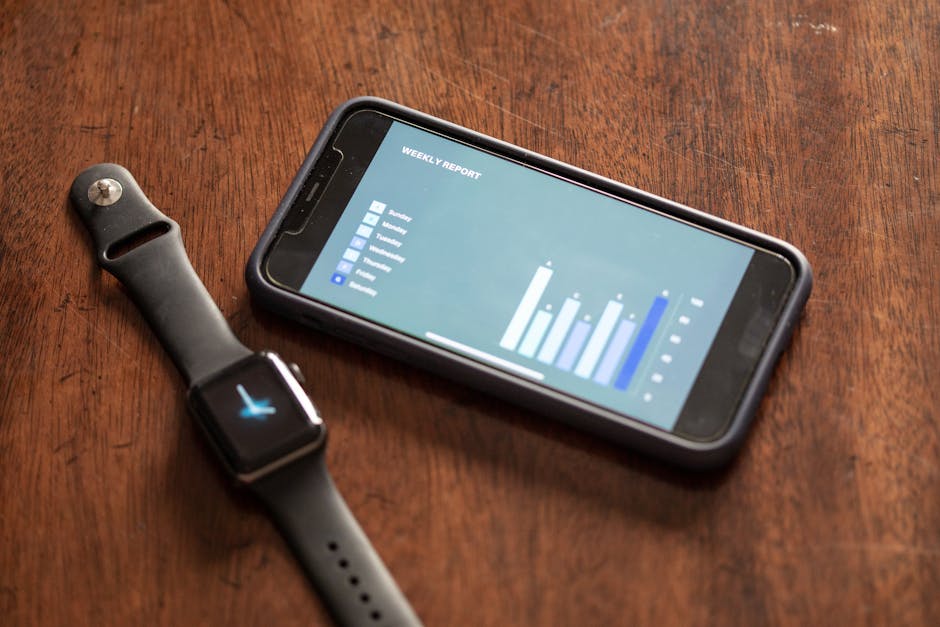
Health tech isn’t just a side feature anymore it’s becoming the core experience. Apple just rolled out a glucose sensing Apple Watch, and it’s as ambitious as it sounds. No needles, no implants, just real time blood sugar alerts beamed straight to your wrist. It’s non invasive, and it works while you live your day. For anyone managing blood sugar or just trying to stay ahead of wellness trends, this isn’t a gimmick. It’s a game changer.
On the other side of the spectrum, Samsung is leaning into AR. Their new fitness glasses use augmented reality to track your posture mid workout. Squats, lunges, yoga poses they’re logging your form in real time and giving corrections through a heads up display. It’s like having a personal trainer, minus the awkward small talk.
What’s really happening here is deeper than flashy devices. The walls between medical grade tools and everyday wearables are disappearing. Health data is going native and wearable tech is becoming less about steps and more about actual metrics that matter.
Cybersecurity Close Up
This week’s cyber threats weren’t subtle. Exploits targeting a widely used enterprise firewall platform punched through government systems in at least six countries. While details are still under wraps, what’s clear is this: even hardened infrastructure is porous if patches aren’t applied on time. Vulnerabilities aren’t rare but this scale of impact sends a warning to any agency or business dragging its feet on zero day response.
On the enterprise side, Microsoft rolled out an update to its AI powered phishing detection. The tech now flags fewer legit emails as threats while still catching the real junk, which is a relief for overstretched IT teams juggling security and productivity. The hype around AI in cybersecurity is often overblown, but in this case, it’s a quiet win.
Finally, the World Economic Forum dropped its 2026 Cyber Stability Framework. It’s not a regulation yet but it’s one more sign that businesses with digital assets are going to face global pressure toward transparency, resilience, and shared security standards. If you’re running anything with remote access, APIs, or a public facing dashboard, it’s time to get serious about audits and cross border data handling.
Cybersecurity’s no longer a side topic it’s the cost of entry.
Startups to Watch
Three startups stood out this week not just for their tech, but for how aggressively they’re challenging what’s considered normal.
GhostLink is rewriting the rules of messaging privacy. This peer to peer encrypted messenger leaves no trace on central servers. Zero retained metadata, no central honeypots for surveillance or hacks. If it scales, it could become the Signal for the ultra cautious ideal for journalists, activists, or anyone tired of trading privacy for convenience.
NodewareAI is a low level copilot for hardware devs something we’re seeing more demand for as AI tools venture out of web apps and into embedded systems. It optimizes firmware on the fly, flags inefficiencies, and learns from each loop. Not flashy, but deeply functional. It’s not about writing code it’s about shaping performance where latency and size matter.
Then there’s Biokind. This is one of the first companies to make good on the closed loop promise in lithium battery recycling and they’re already operating full scale in Singapore. Their process recovers usable materials with nearly zero chemical waste. If EV markets keep climbing and raw materials stay scarce, Biokind doesn’t just have a future it has one on fast forward.
Takeaways
AI isn’t just writing emails and summarizing documents anymore. It’s embedded in machines, optimizing warehouses, balancing energy grids, and guiding robotics in real time. The shift is physical now less about conversations, more about actions. If it touches logistics, devices, or security, chances are AI is already somewhere underneath, working in ways most people won’t see but will absolutely feel.
At the same time, quantum computing crossed a threshold. It’s no longer just the stuff of labs and white papers it’s on the strategic roadmap of serious enterprises. Governments are rolling out infrastructure. Startups are pivoting entire models around quantum integration. It’s not hype anymore. It’s a race.
The biggest story here? The wall between consumer tech and deep tech is gone. Whether you’re tracking glucose levels on a smartwatch or optimizing microchips for edge AI, you’re swimming in a space shaped by the same forces. The pace is picking up. Stay sharp.