What They’re Built For
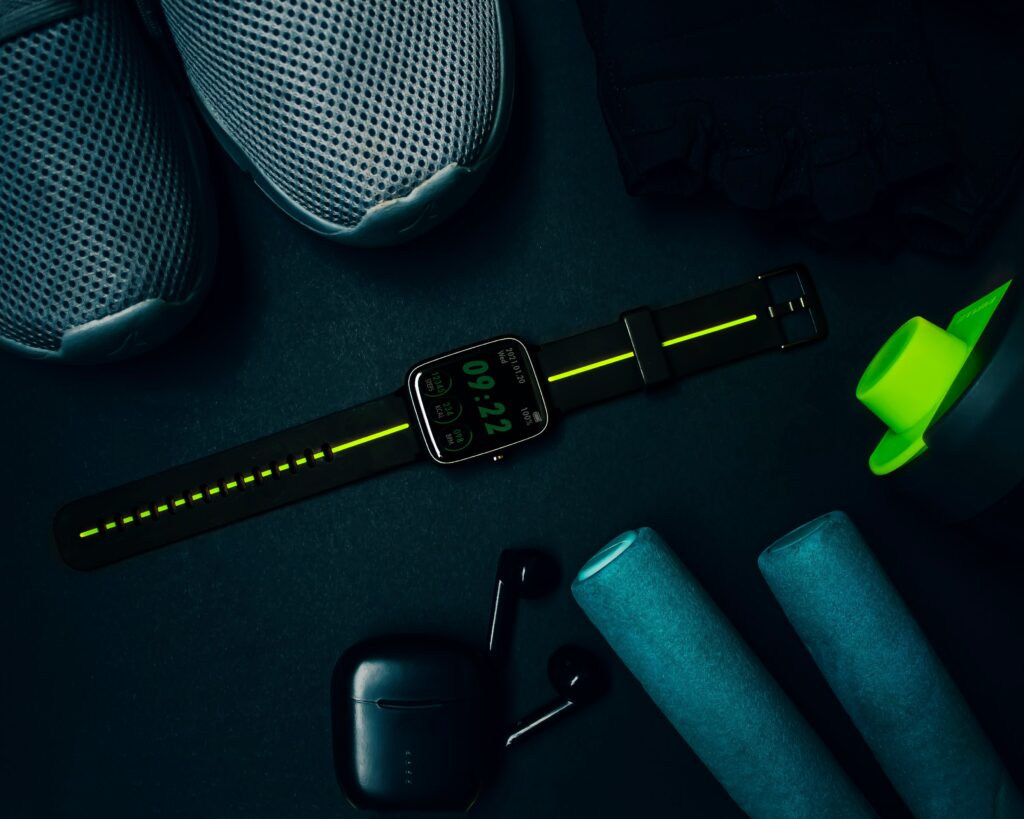
When it comes to wearables, what you’re really choosing is your wrist’s job description. Smartwatches are the Swiss Army knives of the category. They’re packed with features text notifications, email previews, calendar prompts, voice assistants, maps, music control, and even app stores in miniature. If your phone lives in your pocket but your day lives on your wrist, a smartwatch is built for you.
On the flip side, fitness trackers are no nonsense tools. They’re lean, focused, and optimized for tracking your body’s stats heart rate, step count, sleep patterns, and sometimes even stress levels. They don’t try to do everything, and that’s the point. The battery lasts longer, the interface stays simple, and the data they provide is deep enough for anyone serious about health metrics.
So here’s the essential question: are you after productivity, or performance? If your days are packed with meetings, messages, and digital noise, go smartwatch. If your main mission is discipline, health, and silent accountability, the tracker’s your best bet.
Feature by Feature Comparison
Display + Interface: Touchscreens vs Minimalist LEDs
Smartwatches come with full color touchscreens. They’re responsive, easy to navigate, and designed to mimic a mini smartphone on your wrist. Fitness trackers take a different path usually LED or grayscale screens, sometimes no screen at all. The upside? Simplicity. No distractions. If all you need is your step count or heart rate, less can be more.
Battery Life: Fitness Trackers Usually Win Here
Here’s where trackers punch above their weight. Thanks to low power functions and stripped down displays, many can last a week or more without a charge. Smartwatches, on the other hand, chug battery fast often daily or every other day especially with GPS, Wi Fi, and always on displays in play. If charging every night sounds like a drag, trackers make more sense.
Sensors + Accuracy: Heart Rate, GPS, SpO2 and More
Both categories are loaded with sensors now but not all are created equal. Smartwatches often pack more features: ECG, GPS tracking, blood oxygen monitoring, even skin temperature sensors. Trackers handle the basics well heart rate, step counts, sleep tracking but can stumble on high precision metrics during workouts. If detailed fitness or health reports matter, flagship smartwatches lead. For general wellness? Trackers hold their ground.
Durability: Water Resistance, Rugged Builds, Daily Wear + Tear
When it comes to durability, both camps show up. Most fitness trackers are sweat and swim proof. Many are built to disappear on your wrist and survive the gym, rain, or sleep. Smartwatches add layers premium builds, sapphire or Gorilla Glass, and higher water resistance ratings but they’re also heavier and pricier. If you’re outdoorsy or rough on gear, certain smartwatches are built like tanks. But don’t underestimate the low profile toughness of modern trackers.
In short, don’t just follow the spec sheet. Match the feature set to how you actually live.
Price Point Breakdown

When it comes to price, wearables cover a wide range with fitness trackers generally offering incredible value and smartwatches delivering a more premium tech experience. Here’s how they break down by tier:
Entry Level: Budget Friendly Fitness Focus
If you’re looking to spend under $100, fitness trackers are the clear winner. They cover the basics without the distractions:
Core features like step counting, basic heart rate monitoring, and sleep tracking
Minimal interfaces, often with smaller displays or LEDs
Long battery life, typically lasting from 5 to 10 days
For casual users or those new to wearables, this tier provides essential health insights without breaking the bank.
Mid Range to Flagship: Smartwatches Step In
As you move into the $200 $500+ range, smartwatches take center stage. You’re paying for a full stack experience:
Advanced sensors, including ECG, SpO2, and temperature tracking
Expanded app ecosystems with music playback, calendars, email, and smart home integration
Premium builds with customizable faces, metal or leather bands, and brighter AMOLED displays
Some high end fitness trackers begin adding smartwatch like features in this range, but they still tend to focus heavily on health over productivity.
What Are You Really Paying For?
Ultimately, the price difference comes down to what you prioritize:
Convenience & multitasking: Smartwatches offer more functionality in day to day life, especially for productivity oriented users.
Specialization & endurance: Fitness trackers shine when battery life, simplicity, and health focus matter most.
Whether you’re investing in an all in one digital assistant or a performance centered fitness tool, align your choice and your budget with your primary use case.
Compatibility and Ecosystems
When it comes to integration, not all wearables play nice with every device. Apple Watch is a closed ecosystem powerhouse flawless with iPhones, basically useless without one. Fitbit and Garmin offer broader compatibility, syncing with both Android and iOS, but the experience can vary depending on the device and OS version. Android compatible wearables like those running Wear OS are more flexible, though they sometimes lack the polish of Apple’s walled garden.
App ecosystems can be a deal breaker. Apple Health and Google Fit are decent hubs, but third party app support is where things widen. Garmin leans into athletic performance tools. Fitbit integrates well with health centric platforms like MyFitnessPal and Strava. If you’re juggling multiple health apps or relying on integrations for smart home or productivity features, double check what plays well with your chosen wearable.
On long term value, Apple and Garmin usually win. Both push regular updates and ecosystem improvements that keep older models alive longer. Fitbit updates are becoming more sporadic post Google acquisition, and some Wear OS devices get left behind after just a couple of years. Firmware support, sync reliability, and future proofing matter especially if you plan to stick with a device more than one upgrade cycle.
Check out the latest tech upgrades influencing sync speed, app compatibility, and hardware software integration across these platforms.
Which One Should You Choose?
Choose a smartwatch if you want more than just step counts and heart rate zones. Smartwatches pack productivity, communication, and health tools into one wearable. You’ll get notifications, GPS, voice assistants, even mobile payments all on your wrist. If you’re the kind of person who wants fewer devices and more streamlined access, this is your lane.
Go with a fitness tracker if you’re laser focused on health stats and long battery life. These are ideal for people who care less about wrist based emails and more about getting a week of continuous data without needing to recharge. Simple, low maintenance, and distraction free, fitness trackers keep the tech invisible while still delivering core metrics that matter.
But the line gets blurry. Some fitness trackers now offer notification support and SpO2 sensors, while some smartwatches aim explicitly at elite sports users. If you’re mostly into runs, hikes, or sleep tracking but occasionally reply to texts on the go a tracker with lightweight smart features might be enough. Same goes in reverse: if you want full smartwatch functionality but prioritize fitness, go for a smartwatch built with sport first DNA (like a Garmin Venu or Apple Watch Ultra). It’s not either or it’s what fits your day.
Bottom Line: It’s All About Fit
Before you start comparing specs or screen sizes, step back. What does your actual day look like? Are you logging early runs before work, answering emails between meetings, or tracking sleep to optimize recovery? Your lifestyle should drive your choice because wearables are only as useful as they are usable.
If you’re a goal oriented person stacking workouts and watching macros, a focused fitness tracker can cover your needs without the distractions. If your life moves fast and you want a digital extension of your phone on your wrist, a smartwatch might make more sense.
It also comes down to tech comfort. Some people need simplicity a tap, a reading, done. Others want all in one control, from music playback to calendar alerts. In either case, the smartest move is to start with your purpose, not the product.
Wearables are evolving fast. Features once limited to flagship smartwatches are making their way to fitness trackers too think better GPS, advanced sleep tracking, and even contactless payments. To stay ahead of the curve, keep an eye on the latest tech upgrades pushing the category forward.
Bottom line: no device is perfect. But when it fits your life, it works harder for you.