What Digital Twins Really Are
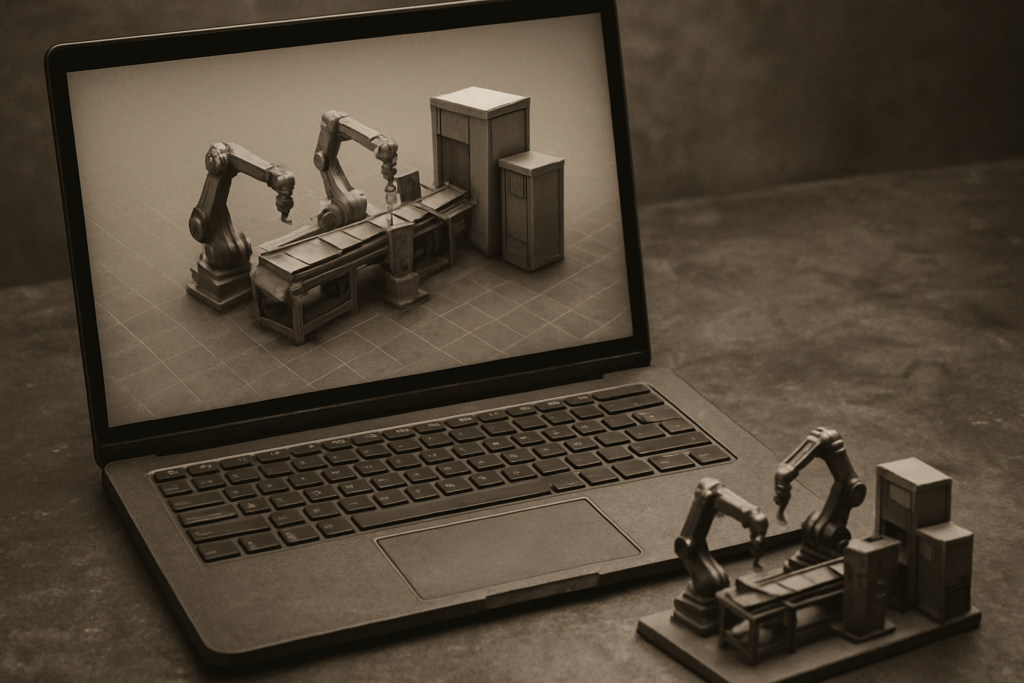
Digital twins aren’t just static models they’re dynamic digital counterparts of physical assets, systems, and operations. Built on real time data and powered by AI, they offer a new level of visibility and control in smart manufacturing.
Core Definition
At their simplest, digital twins can be described as:
Virtual replicas of physical machines, processes, or even entire facilities
Living models that continuously update based on real world input
Tools for simulation and optimization, helping manufacturers make faster, more informed decisions
More Than CAD Models
While traditional CAD models give engineers a detailed static view, digital twins go several steps further:
Receive real time data from IoT sensors and edge devices
Update automatically to reflect current conditions or changes
Enable constant monitoring, remote diagnostics, and performance tuning
Key Capabilities
Digital twins are designed to:
Simulate how a machine or process will behave under various scenarios
Monitor operations to detect anomalies or inefficiencies early
Optimize everything from energy use to production speed, based on live data
By bridging the gap between the physical and virtual world, digital twins become critical infrastructure for future ready manufacturers.
Why 2026 Is a Tipping Point
Smart factories have been gathering momentum for years, but 2026 is when things snap into high gear. What’s changed? First, IoT is no longer optional. Sensors, trackers, and connected machinery are now standard on the factory floor feeding digital twins with live data 24/7. This gives operations teams a living, breathing view of what’s happening in real time, not just what should be happening.
Second, edge computing and 5G are closing the feedback loop. Data doesn’t have to travel all the way to the cloud for processing anymore. With edge nodes crunching numbers right next to machines, reactions happen in milliseconds. That’s key for things like safety systems, predictive maintenance, and fluid line adjustments.
Finally, purpose built AI models are getting easier to access. You don’t need a team of PhDs to train a predictor anymore. Pre trained tools tailored to manufacturing workflows like anomaly detection, demand forecasting, or cycle time analysis are being packaged into usable, scalable software. Put the three pieces together, and digital twins aren’t just a concept. They’re the new backbone of high efficiency, low latency production lines.
Real World Gains from Digital Twin Adoption
Smart factories don’t run on hype they run on uptime, output, and skilled people. Digital twins deliver on all three. First up, predictive maintenance is finally earning its name. Instead of reacting to breakdowns, manufacturers are using twin driven insights to forecast failures before they happen. That shift is cutting unplanned downtime by up to 40%, keeping lines running and repair crews ahead of the curve.
Then there’s throughput. Rather than buying new machinery every time demand spikes, some teams are turning to digital twins for line optimization. By simulating workflows, adjusting parameters, and removing bottlenecks virtually, they’re finding ways to boost output without spending on new hardware. More product, same equipment.
On the people side, simulation based training is making onboarding a fraction of what it used to be. New operators don’t have to wait for hands on time with real equipment instead, they can train safely in virtual environments that mimic the factory floor. The result? Faster ramp up, fewer mistakes, and less downtime tied to inexperience.
That’s what real ROI looks like: fewer surprises, higher efficiency, and a more competent workforce all driven by digital twins.
The Edge AI Connection
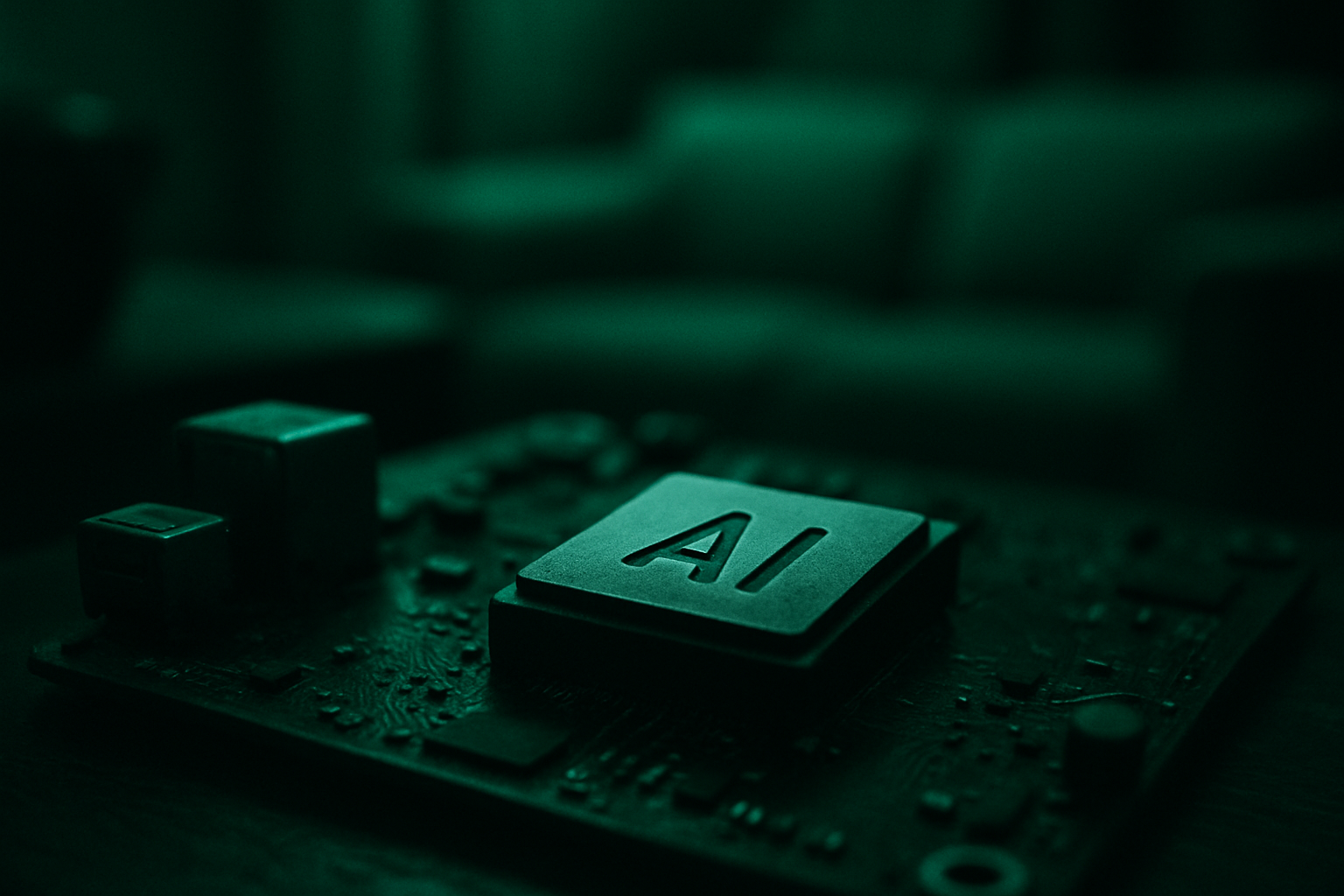
Manufacturing moves fast. Sometimes, too fast for traditional cloud based systems to keep up. That’s where edge AI steps in. Instead of sending data across networks to distant servers, edge computing processes it locally right where it’s generated. This means machines can collect, interpret, and act on data in milliseconds, not minutes.
For digital twins, that kind of speed is a game changer. You’re not just simulating behavior you’re syncing with it in real time. Sensors feed live data into the twin, AI algorithms make lightning fast decisions, and systems adjust on the fly. Picture a robotic arm correcting its movement mid weld to avoid a defect, or a conveyor rerouting products before a jam even happens.
Edge AI trims latency, boosts responsiveness, and keeps factory operations nimble. It’s less about hype, more about hardened efficiency. For those ready to dive deeper, check out Edge AI is Transforming Real Time Data Processing.
Use Cases Making Headway in 2026
In 2026, industries aren’t experimenting with digital twins they’re integrating them into mission critical workflows.
Automotive: Precision is non negotiable on the assembly line. Car manufacturers are now deploying full system digital twins that model entire vehicle builds, not just individual components. These digital replicas track tolerances in real time, flag misalignments before they become defects, and even predict mechanical stress points before vehicles hit the road. It’s not just QA it’s live decision making at the factory level.
Pharma: In an industry where regulation is as critical as chemistry, digital twins are being used for compliance tracking like never before. Behavioral twins now monitor operator inputs, workspace conditions, and environmental data streams to validate adherence to strict protocols. This cuts audit time down and catches deviations in real time, not weeks later. Think of it as smart oversight without the clipboard.
Electronics: With ultra thin margins and tight tolerances, electronics manufacturing thrives on yield. AI paired process twins are now tuning production lines like race cars. By analyzing real time patterns in soldering, printing, and component placement, these twins flag variations that could impact performance or lifespan. The result: less scrap, tighter specs, and faster time to market.
No gimmicks. Just smarter, faster systems guided by virtual eyes that never blink.
Challenges to Consider
Digital twins promise plenty, but they don’t run on magic they run on data. And if that data is flawed or incomplete, the output will be too. Garbage in, garbage out. A digital twin is only as effective as the accuracy and consistency of the inputs feeding it. Sensors need calibration. Data pipelines need validation. If the foundation is off, so are your insights.
Interoperability is another sticking point. Most factories aren’t built from scratch. They’ve got decades old PLCs sitting next to shiny new IoT dashboards. Making all of it play nice isn’t simple. Integrating a digital twin into this kind of mixed tech environment requires middleware, translators, or in many cases, custom hacking. It’s not impossible but it’s far from plug and play.
Then there’s the bill. Setting up a digital twin system doesn’t come cheap. You’re looking at infrastructure investment, software licensing, integration work, and talent. Some shy away after the first quote. But the long game is where the value lives. Predictive downtime savings alone can pay back the cost in months, not years. The key is to be strategic: start focused, measure impact, then scale sensibly.
Digital twins aren’t just another dashboard they’re a nervous system for smarter, faster manufacturing. But only if they’re fed well, plugged into everything, and treated as a long term asset.
Taking the Next Step
As digital twins continue to mature, many manufacturers are asking a simple but critical question: where do we begin? The reality is, rolling out a full scale digital twin platform across an entire facility isn’t always feasible right away. The key is to start small, prove value quickly, and scale with purpose.
Begin with a Single Asset or Line
Instead of overhauling entire systems, identify a high impact process or asset where a digital twin can immediately make a difference.
Choose a line with known inefficiencies or frequent downtime
Apply a digital twin to monitor and simulate performance in real time
Use the data to test new process adjustments before implementation
This targeted approach reduces risk, simplifies initial deployment, and generates useful learning for broader rollout.
Measure What Matters
Digital twins are only as valuable as the outcomes they drive. To build momentum, focus early efforts on clear, operational metrics:
Throughput: Can the line produce more without extra equipment?
Uptime: Are breakdowns reduced through predictive insights?
Quality: Can process optimization improve defect rates?
By tying digital twin performance to KPIs the business already tracks, it’s easier to build advocacy and stakeholder buy in.
Build Scalable Infrastructure
The technology foundation matters. Infrastructure should support growth from pilot to plant wide implementation:
Invest in a flexible IoT data platform
Ensure your system integrates easily with existing machinery and software
Plan for secure, edge capable computing to enable real time responsiveness
Bottom Line
Smart manufacturing in 2026 isn’t about chasing buzzwords. It’s about delivering real, measurable gains from smarter operations. Digital twins work best when they start focused and grow with the factory. The sooner companies install that first pilot, the sooner they start reaping returns.