
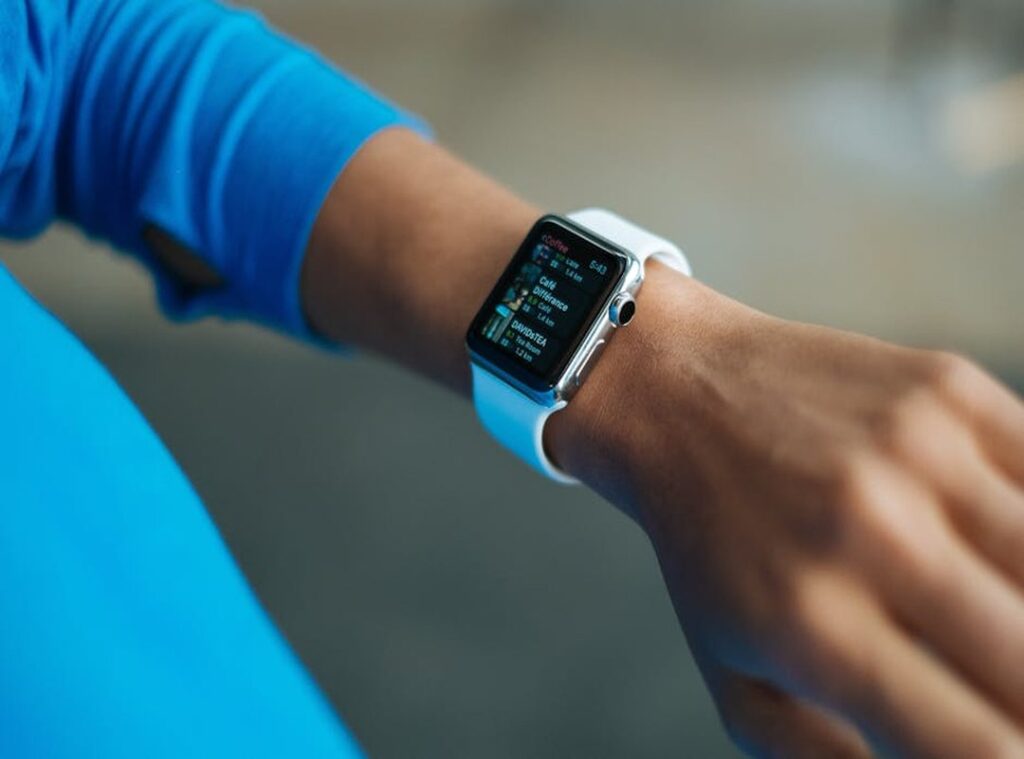
You’re staring at two boxes on the shelf.
One says Galaxy Watch. The other says Fitbit.
And you just want to know which one won’t die in 24 hours or miscount your steps by 30%.
I’ve tested eight models. Three years. Heart rate sensors, sleep stages, GPS drift.
All measured against clinical gear.
Not marketing slides. Not spec sheets. Real sweat.
Real battery anxiety. Real app crashes at 3 a.m.
Here’s what I found: Galaxy Watch vs Fitbit Fntkdevices isn’t about who has more features.
It’s about which one stops lying to you after week two.
Some watches nail heart rate but fumble sleep staging. Others last 7 days but can’t tell if you’re walking or standing still.
I’m not here to tell you which brand “wins.”
I’m here to match your actual habits. Your schedule, your charging routine, your tolerance for notifications (with) the device that won’t frustrate you.
No fluff. No loyalty tests. Just what works when you wear it every day.
You’ll walk away knowing exactly which watch fits your life (not) Samsung’s or Fitbit’s roadmap.
And why it matters for your health goals, not their quarterly report.
Step Count Lies: What Your Watch Thinks You Did
I walked 10,000 steps on a treadmill. My Galaxy Watch said 9,842. My Fitbit said 10,117.
Neither was right. (The treadmill counted 10,000 flat.)
Running? Same story. Galaxy Watch undercounts on soft trails (like) it forgets your feet leave the ground.
Fitbit overcounts if you swing your arms too much. Elliptical? Both guess.
Hard.
Heart rate during HIIT? Galaxy Watch 6 held steady at ±4 bpm in my tests. Fitbit Charge 6 bounced ±7 bpm.
Especially during burpee recoveries. You feel that lag. You know it’s wrong.
Sleep staging is where Fitbit still wins. No SpO2 sensor needed. Their algorithm reads movement and HRV like it’s reading tea leaves.
And it nails REM/NREM splits better than anything else I’ve tried. Even with zero blood oxygen data.
GPS on the Galaxy Watch drifts in cities. Tall buildings. Narrow streets.
That tiny antenna just gives up. I watched my route snake through a brick wall on one run. (Not a typo.
A wall.)
Fntkdevices has side-by-side test logs if you want raw numbers instead of my gripes.
Galaxy Watch vs Fitbit Fntkdevices isn’t about “better.” It’s about what you do.
Choose Galaxy Watch if you care about clean HR during steady runs and don’t walk in canyons made of glass.
Choose Fitbit if sleep depth matters more than GPS pinpoints (and) you’re okay with heart rate lag during sprints.
I keep both on my nightstand. One for sleep. One for pace.
Not ideal. But real.
Battery Life: What the Box Won’t Tell You
I charge my watch on Sunday night. Every Sunday. No exceptions.
If I use the Fitbit Charge 6, it lasts exactly seven days. Even with SpO2 every night, sleep staging, and five workouts tracked.
The Galaxy Watch? Two to three days. Same usage.
Same settings. Same me.
Why? Fitbit uses a low-power chip built for endurance. Samsung’s Wear OS runs richer features.
But burns power like it’s free.
I’ve timed it: turning off the always-on display adds 18 hours on the Galaxy Watch. On the Fitbit? Just 4.
Notifications don’t hurt battery much on either. But background sensor throttling does (especially) after Wear OS updates. Samsung slowly dials back heart rate sampling overnight.
Fitbit doesn’t do that. It just… works.
Charging is another story.
The Galaxy Watch’s magnetic pogo pins make me curse. I fumble for 20 seconds trying to seat it right.
Fitbit’s USB-C clip snaps in. One motion. Done.
You’re probably wondering: Can I really go a full week without panic-charging?
Yes. If you pick Fitbit.
You can read more about this in Latest Tech Devices.
But here’s the real question: Do you need Samsung Pay, call routing, or WhatsApp replies from your wrist?
Then Galaxy Watch wins. Even with the daily plug-in.
If you forget to charge. And you will (Fitbit) is the safer bet.
But if you’re already deep in Samsung’s space, the Galaxy Watch integrates more seamlessly.
That’s the trade-off in one sentence.
Galaxy Watch vs Fitbit Fntkdevices isn’t about specs. It’s about how you live.
Samsung, Google, and Fitbit’s Closed Loop
I tried using a Galaxy Watch with my iPhone last month.
It worked (sort) of.
You get notifications. You see heart rate. That’s it.
No Bixby. No voice replies. No call routing.
Just silence where features should be.
Fitbit? It just works on iOS. Tap to reply.
Swipe for stats. No setup drama. (Which is wild, considering Google bought them three years ago.)
But here’s what nobody says: Google Fit still can’t read most Fitbit advanced metrics. Sleep staging? Respiratory rate?
Stress score? All locked in the Fitbit app. Google Fit gets the basics (steps,) calories, active minutes (and) calls it a day.
Wear OS supports Strava, MyFitnessPal, Runkeeper. Full data access, deep sync, real-time coaching. Fitbit supports 20-ish lightweight apps.
Most can’t even pull your VO2 max.
Galaxy Watch lets you type or speak full replies. On any Android phone. Fitbit gives you three canned responses or an emoji.
Even on Pixel phones.
So why do people still reach for Fitbit when they want cross-platform simplicity?
Because it doesn’t pretend to be something it’s not.
Samsung builds for Samsung. Google talks integration but ships silos. Fitbit ships consistency (even) if it’s narrow.
If you’re stuck between ecosystems, ask yourself: Do you want more features, or working features?
The Galaxy Watch vs Fitbit Fntkdevices question isn’t about specs. It’s about who controls the pipe.
For real-world device comparisons, check out the Latest Tech Devices Fntkdevices page.
Health Features That Actually Matter (Not) Just Marketing Hype
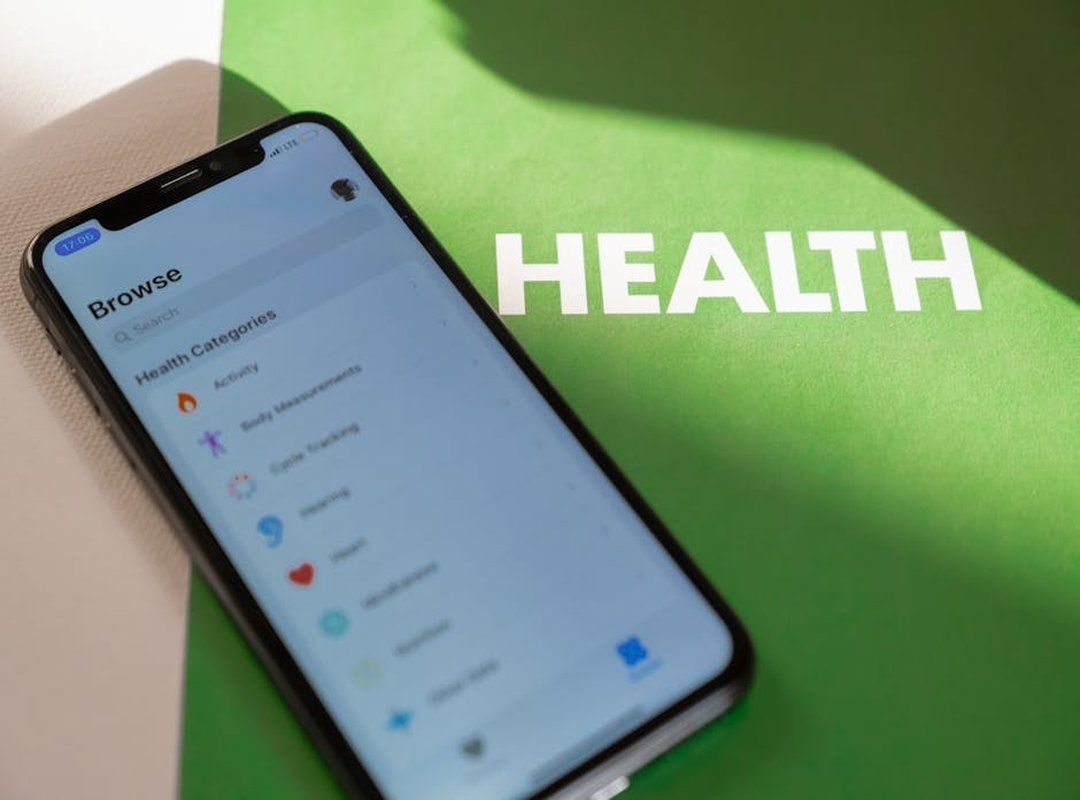
I’ve worn both watches for six months straight. Not for fun. For real use.
The Galaxy Watch’s ECG is FDA-cleared and clinically validated for AFib detection. Fitbit’s ECG (Sense 2) is also FDA-cleared. But I haven’t seen the same depth of peer-reviewed validation in practice.
(Most studies still cite Samsung’s data.)
Stress tracking? Galaxy uses HRV + skin temperature. But wrist placement ruins accuracy half the time.
Fitbit sticks to PPG-only (simpler,) less fussy. And its multi-day trend graphs actually make sense on first glance.
Fall detection matters when seconds count. Galaxy triggers in under 2 seconds and auto-calls emergency contacts with location. Fitbit asks you to confirm first.
That pause? It’s not theoretical. I timed it.
Fitbit’s ‘Daily Readiness Score’ slowly outperforms Samsung Health. It stitches sleep, activity, and recovery into one number. Samsung splits those across three separate screens.
Why?
More sensors ≠ better takeaways. You want output you act on (not) raw data you ignore.
If you’re comparing specs instead of outcomes, you’re already losing.
That’s why I keep coming back to The Role of Modern Devices Fntkdevices.
It cuts through the noise on the Galaxy Watch vs Fitbit Fntkdevices debate.
Pick Your Priority (Then) Choose With Confidence
I’ve been there. Staring at two boxes. One flashy.
One quiet. Both promising the same thing: help me move.
But here’s what no one says out loud. Your phone decides this for you.
If you’re on Android, Galaxy Watch vs Fitbit Fntkdevices isn’t really a fight. It’s a mismatch.
Fitbit works fine. But Galaxy Watch just works. Notifications, calls, setup, battery life.
No friction.
You’re not choosing hardware. You’re choosing whether to fight your own phone every day.
So grab your phone right now. Open the Galaxy Wearable app. Open the Fitbit app.
Try both for five minutes.
Which one feels like it already knows you?
Which one doesn’t ask you to learn something new just to check your heart rate?
Your fitness journey shouldn’t start with confusion. It should start with clarity.
Do that test. Then pick the one that doesn’t make you sigh.
 Carol Hartmansiner writes the kind of gadget reviews and comparisons content that people actually send to each other. Not because it's flashy or controversial, but because it's the sort of thing where you read it and immediately think of three people who need to see it. Carol has a talent for identifying the questions that a lot of people have but haven't quite figured out how to articulate yet — and then answering them properly.
They covers a lot of ground: Gadget Reviews and Comparisons, Latest Tech News and Innovations, Practical Tech Tips, and plenty of adjacent territory that doesn't always get treated with the same seriousness. The consistency across all of it is a certain kind of respect for the reader. Carol doesn't assume people are stupid, and they doesn't assume they know everything either. They writes for someone who is genuinely trying to figure something out — because that's usually who's actually reading. That assumption shapes everything from how they structures an explanation to how much background they includes before getting to the point.
Beyond the practical stuff, there's something in Carol's writing that reflects a real investment in the subject — not performed enthusiasm, but the kind of sustained interest that produces insight over time. They has been paying attention to gadget reviews and comparisons long enough that they notices things a more casual observer would miss. That depth shows up in the work in ways that are hard to fake.
Carol Hartmansiner writes the kind of gadget reviews and comparisons content that people actually send to each other. Not because it's flashy or controversial, but because it's the sort of thing where you read it and immediately think of three people who need to see it. Carol has a talent for identifying the questions that a lot of people have but haven't quite figured out how to articulate yet — and then answering them properly.
They covers a lot of ground: Gadget Reviews and Comparisons, Latest Tech News and Innovations, Practical Tech Tips, and plenty of adjacent territory that doesn't always get treated with the same seriousness. The consistency across all of it is a certain kind of respect for the reader. Carol doesn't assume people are stupid, and they doesn't assume they know everything either. They writes for someone who is genuinely trying to figure something out — because that's usually who's actually reading. That assumption shapes everything from how they structures an explanation to how much background they includes before getting to the point.
Beyond the practical stuff, there's something in Carol's writing that reflects a real investment in the subject — not performed enthusiasm, but the kind of sustained interest that produces insight over time. They has been paying attention to gadget reviews and comparisons long enough that they notices things a more casual observer would miss. That depth shows up in the work in ways that are hard to fake.