
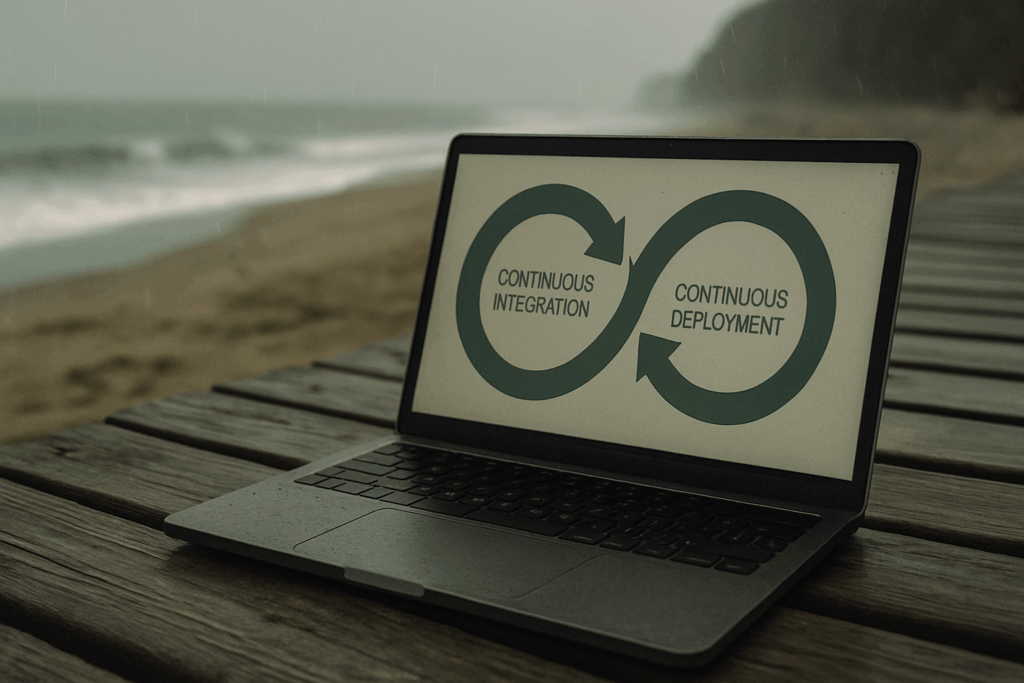
Setting the Stage for Modern DevOps
In 2026, CI/CD pipelines aren’t just best practice they’re survival gear. With faster release cycles, globally distributed teams, and user expectations glued to real time updates, software delivery has hit a pace where manual steps can’t keep up. CI/CD pipelines are what keep things moving without making teams unravel.
At the core is automation. Automated testing, integration, and deployment mean you’re pushing reliable builds while cutting down human error. It’s about being fast without breaking stuff. Teams that build pipelines right are shipping code with confidence, catching bugs early, and freeing up real brainpower for bigger engineering problems.
This isn’t about working harder. It’s about working smarter. Modern dev teams are scaling their workflows with clear boundaries and smart tooling more focus on code quality, less context switching. Burnout drops when the process carries the grunt work. In short: CI/CD pipelines are how teams in 2026 deliver more with less drama.
Understanding Continuous Integration (CI)
At its core, Continuous Integration (CI) is the practice of merging code changes into a shared repository several times a day. Each merge triggers automatic builds and tests, creating a feedback loop that catches problems early before they sink deeper into the codebase. It’s not flashy, but it’s powerful: fewer surprises, cleaner releases, stronger teams.
The key benefits are simple but crucial. You detect bugs fast. You avoid “it works on my machine” drama. And you lower the friction between individual devs and the wider team. Code churn becomes a steady rhythm instead of a sporadic mess. If everyone contributes often and tests run automatically, teams stay in sync and shipping becomes far less painful.
But CI doesn’t just happen. It demands a few essentials: disciplined use of version control (usually Git), a suite of solid automated tests, and actual tooling that makes the workflows hum. If your builds fail silently or test coverage is laughable, CI won’t save you. Automation only amplifies what’s already there.
Popular CI tools in 2026 still include old standbys like Jenkins, GitHub Actions, and CircleCI. These platforms offer deep integrations, robust plugins, and battle tested reliability. But whichever you pick, the focus stays the same: quick feedback, reliable tests, and automated enforcement of code quality standards.
That said, CI is not without its headaches. Flaky tests can ruin trust in the system. Large projects risk sluggish build times. And dependencies especially across services or teams can turn a clean commit into a house of cards. Staying nimble means managing these pain points head on.
CI isn’t futuristic anymore. It’s table stakes. Get it right, and everything else in your pipeline becomes easier to build, debug, and ship.
Breaking Down Continuous Deployment (CD)
Continuous Deployment (CD) is the natural evolution of a mature CI pipeline. It’s the practice of automatically releasing every code change that passes your automated tests straight to production. No manual gates. If it’s been verified by the system, it ships.
The upside? Speed. CD slashes the time between writing code and getting real world feedback. When something breaks, you know fast. When something works, customers benefit immediately. With smaller, more frequent releases, the risk tied to each deployment shrinks, making rollback and recovery easier if something goes sideways.
CD shines brightest in software products that demand fast iteration SaaS platforms, mobile apps, and high tempo web services. In these spaces, frequent updates keep users engaged and competition off your heels. On the flip side, it’s not always the right fit for every industry. In regulated domains like healthcare or finance, Continuous Delivery (automated to staging, with manual approval for production) often strikes a safer balance. It provides traceability and checkpoints without bottlenecking development.
To make CD stick, tooling and discipline are non negotiable. You’ll need strong observability (think: full test coverage, logs, monitoring), infrastructure as code, progressive rollout strategies (feature flags, canary deployments), and security baked into the pipeline. Teams that treat CD as an engineering lifestyle not just a DevOps checkbox reap the biggest rewards.
When done right, CD isn’t just faster. It’s safer, smarter, and ultimately, closer to how modern users expect software to behave: always up to date, always improving.
CI vs. CD: Core Differences Developers Should Not Miss

CI and CD might roll off the tongue together, but they serve different purposes. Continuous Integration (CI) is about merging code changes into a shared repository early and often. Every check in triggers automated tests to flag issues before they snowball. It keeps the codebase healthy, collaboration smooth, and feedback loops tight.
Continuous Deployment (CD) is what happens when you take it further. It assumes all the automated tests pass and then pushes that code straight to production, no human gatekeeping. CD turns your delivery pipeline into an auto pilot system that ships software fast, frequently, and consistently. That kind of speed doesn’t come free.
The trade off? Risk management. CD demands rock solid automation coverage and observability. You need confidence in your rollback strategy, monitoring, and alerting systems because a bad release goes live instantly. CI carries less risk because it stops short of production, but you lose the agility and near instant user feedback.
So when do you stick with CI? Teams with evolving products, partial test coverage, or heavy compliance overhead may find CD too brittle. But if your code is mature and your toolchains are seasoned, CD can be the edge that takes you from stable to unstoppable.
Choosing the Right Approach for Your Team
Not every team needs the same CI/CD playbook. A five person startup building a mobile app can afford to push updates daily. A hundred person team juggling a regulated fintech product? Not so much. Team size, product maturity, and compliance demands all shape how far and fast you go with automation.
Speed sounds good until it breaks things at scale. That’s why top engineering teams don’t go all in blindly they tune their pipelines in real time. If incident numbers spike, maybe full Continuous Deployment gets rolled back to Delivery. If testing lags, CI coverage gets reinforced before anything ships.
The key is fit for purpose evolution. No team stays static, so your CI/CD shouldn’t either. Set measurable milestones: time to rollback goals, test coverage thresholds, deploy frequency targets. Revisit them quarterly. Make sure your pipeline evolves as your risks, tools, and team dynamics change. DevOps isn’t about doing the most it’s about doing what actually works, when it matters.
Bonus Insight: No Code’s Impact on CI/CD
No code and low code platforms used to be side projects handy for MVPs or internal dashboards. Now, they’re standing toe to toe with traditional development and reshaping how CI/CD pipelines are built and deployed. The major shift? Non engineers can now contribute usable features faster, and devs can hand off repeatable logic to systems that don’t require full stack coding muscle.
This doesn’t mean we’re trading depth for speed. The smartest teams are blending visual development tools into their existing automation frameworks. Think: drag and drop UI builders feeding data into API driven backends, with integration tests and deployment triggers still firing through robust pipelines. GitOps isn’t going anywhere it’s just now managing workflows that originate outside of pure codebases.
The challenge lies in maintaining transparency and control. Pipelines need auditability. Every auto generated component still needs version tracking. The goal is to accelerate output without turning your dev environment into the Wild West.
For deeper insight, check out Exploring the Pros and Cons of No Code Development Platforms.
Final Takeaways That Stick
Start where you are. You don’t need a perfect DevOps setup to benefit from CI/CD. What matters is motion building momentum with smart automation and tightening your feedback loops. If you’re manually testing every change or pushing code at random, you’re wasting cycles. Automate what makes sense, and skip the hype driven overkill.
CI/CD isn’t a checkbox. It’s not a tool you install once and forget. It’s a mindset and a workflow you revisit as your team grows, your product scales, or your tech stack shifts. What worked last year might bottleneck you today. Regularly audit your setups. Tune your pipelines like you’d maintain production code.
And velocity? It only matters if it’s sustainable. Going fast is meaningless if you’re rolling back bad deployments or fixing what automation should’ve caught. In 2026, the best teams move quickly because they’ve built stability into every layer automated tests, observability, deployment gates. This isn’t about speed versus safety it’s about shipping with purpose. Every time.