What Budget Really Means in 2026
The word “budget” doesn’t mean bare bones anymore. In 2026, the sweet spot for a solid budget smartphone sits between $200 and $450. That price range used to mean compromise across the board, but not anymore. Now it means smart tradeoffs the right ones.
At $200, you’re looking at the essentials: decent processors, serviceable cameras, and designs that don’t scream outdated. Push closer to $450, and you start to see real polish nicer displays (think AMOLED), faster charging, multi lens camera setups, and build quality that won’t have you reaching for a case in embarrassment.
What you won’t get in this range: bleeding edge flagship perks. Don’t expect wireless charging, top tier night photography, or butter smooth performance in intense gaming titles. But for 90% of daily use calls, social apps, casual content creation what you get is more than enough.
Bottom line: Budget is no longer a synonym for basic. It’s where practical tech lives, and where value first shoppers should be paying attention.
Performance Without the Price Tag
Budget smartphones in 2026 are more powerful than ever, but not all components are built equal. Here’s what actually matters when it comes to performance in this price range.
Processors That Matter
You’re likely to see two chipset families dominate the sub $450 market:
Qualcomm Snapdragon 6 Gen Series
Great for casual use and light gaming
Offers stable power efficiency and decent thermal control
Ideal for users who prioritize smooth daily performance over intensive tasks
MediaTek Dimensity Lineup
Surprisingly strong multi core performance
Performs well in mid tier gaming and multitasking
Often found in phones that balance speed and affordability
Quick Take: If you’re into multitasking or gaming, Dimensity may edge out Snapdragon in raw power, but Snapdragon wins in consistency and app optimization.
RAM and Real World Multitasking
More RAM doesn’t always mean better performance, but here’s a general guide:
4GB RAM Acceptable for light use: messaging, social media, music apps
6GB RAM Sweet spot for most users: smooth app switching and background tasks
8GB RAM Ideal if you frequently multitask, use heavier apps, or want your device to stay relevant longer
Look for phones with at least 6GB if you plan to keep the device more than a year.
Budget Gaming: What’s Actually Playable?
Budget smartphones in 2026 handle casual and mid tier gaming surprisingly well. Here’s what to expect:
Playable Games:
Call of Duty Mobile (low to medium settings)
PUBG Mobile (balanced at 30 40 fps)
Genshin Impact (playable with tweaks, expect frame drops)
Asphalt 9, Clash Royale, and similar titles run smoothly
Don’t Expect:
High graphics settings
Advanced cooling systems
Consistent frame rates in graphics intensive titles
Pro Tip: A Dimensity chip paired with 6GB+ RAM usually gives you the best bang for your buck for gaming in this range.
In short, you don’t have to overspend to get smooth, usable performance you just need to know which specs actually count.
Display & Design: Big Screens, Small Costs
In the budget bracket, screen quality is no longer the weak link it once was. AMOLED panels once reserved for premium models are trickling down into phones under $300. The difference? Deeper blacks, punchier colors, and far better contrast than their LCD counterparts. That said, LCDs aren’t out of the game. In this range, a good LCD with high brightness can still hold its own, especially in outdoor visibility.
Refresh rates are another battleground. Many budget phones now offer 90Hz or even 120Hz displays. The extra smoothness is real, and while it doesn’t redefine your experience, it makes day to day scrolling and casual gameplay feel a lot snappier. When paired with a halfway decent processor, 90Hz is the minimum we’d recommend.
Now for materials plastic still rules in this price range, but don’t write it off. Some brands are doing solid builds with matte finishes or ‘glasstic’ blends that feel better than they sound. There’s less creak, tighter seams, and enough polish to make these devices feel more expensive than they are. Cheap no longer has to look it.
Camera Capabilities That Surprised Us

If you’re looking for a budget phone that can hold its own in low light, the Google Pixel 6a is still the one to beat under $400. Google’s image processing does the heavy lifting it doesn’t matter that the hardware’s mid tier. Night Sight mode gets you crisp, noise controlled shots your friends won’t believe came from a sub $400 device.
For those who like to experiment beyond the standard shooter, phones like the Samsung Galaxy A54 and Xiaomi Redmi Note 12 Pro offer decent ultrawide and macro lenses. Don’t expect top tier sharpness, but they’re more than passable for vlogs or B roll. Macro still feels a bit gimmicky unless you’re super into textures or tiny subjects.
AI backed enhancements are showing up even in budget devices now. Edge detection for portraits, scene optimization, and real time video stabilization have trickled down to the sub $400 range. It’s not pro level accuracy, but it’s shockingly effective if you’re capturing content on the move.
And for video? The standout is again the Pixel 6a. It pushes solid 4K at 30fps, manages lighting transitions well, and doesn’t fall apart in high contrast scenes. The iPhone SE (3rd Gen), while older, also offers surprisingly steady video and great skin tones if you can snag it on sale. Vloggers on a strict budget might find they don’t need to spend more than $400 to get seriously capable camera performance.
Battery Life & Charging Speed
Battery life is where budget phones have quietly pulled ahead. If you want a device that lasts two full days without breaking a sweat, you’re looking at models like the Moto G Power 2025, Samsung Galaxy M14, and the Poco X5. These phones aren’t flashy, but they pack 5,000 to 6,000 mAh batteries and efficient chipsets that sip not chug power. No gimmicks, just longevity.
Charging, though, is where the split happens. Entry level phones still hover around 18W to 25W wired charging, which gets the job done but if you want speed, look for 65W support. Brands like Realme and Infinix are pushing the envelope, offering near flagship charging speeds at under $300. That means a full day’s power in under 40 minutes.
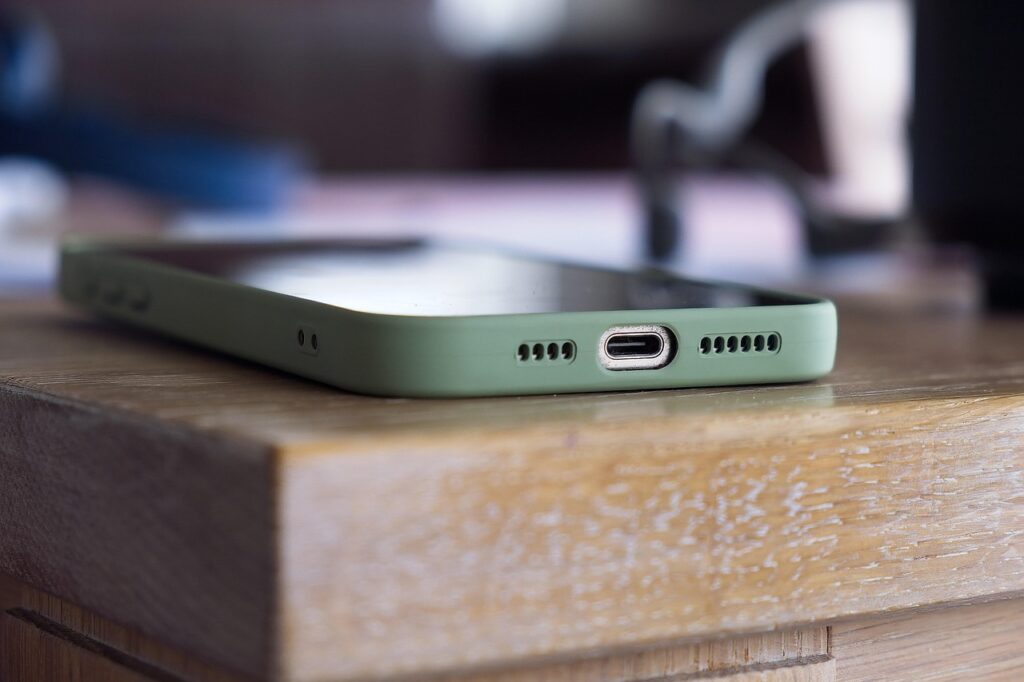
USB C isn’t a bonus anymore it’s expected. Thankfully, 2026 has seen the final nail in the coffin for Micro USB on new releases. Even the most affordable phones now standardize USB C charging, making cable sharing finally convenient across all devices. One cable. Big win.
Our Top Picks Under $450
Best Overall: Performance, Camera, Battery Combo
If you’re chasing balance, the Xiaomi Redmi Note 13 Pro+ takes the win for 2026. It runs the Dimensity 7200 chip, handles gaming without stutters, snaps sharp photos with its 200MP main sensor, and hits two days of real use on a full charge. You get a 120Hz AMOLED display and 120W charging, which feels borderline flagship without hitting flagship prices.
Best for Streaming and Media
The Poco X6 Pro shines here with a vivid 1.5K AMOLED screen, dual speakers that actually have punch, and massive 512GB storage options plenty of room for offline Netflix binges. Its 67W fast charging and battery optimization keep it running long, even during hours of watching and scrolling.
Best Compact Budget Phone
The Samsung Galaxy A15 5G gets the nod for users who don’t want a pocket stretcher. At 6.5 inches, it’s still not tiny, but feels manageable compared to the oversized slabs out there. It’s lightweight, decently fast for everyday tasks, and its Super AMOLED display is a nice surprise at the price. Clean One UI Core makes it user friendly without bloat.
Best for Mobile Gamers
Nothing beats the Infinix GT 10 Pro in its bracket if you game hard but spend smart. The 120Hz panel, liquid cooling, and the Helio G99 chip deliver stable frame rates in most popular titles. Plus, it doesn’t scream “cheap phone” in the hand. LED accents on the back add a gaming vibe without overdoing it.
Find full reviews, test data, and side by sides at visit gamrawtek home.
Where to Save vs. Where to Spend
If snapping pro level shots isn’t your daily grind, don’t overspend on camera extras you’ll barely use. Macros, depth sensors, and triple lens setups look good in ads but rarely deliver big value unless you’re shooting often and know what you’re doing. Many budget phones now deliver solid single lens results that cover most needs.
Instead, put your money where it counts every day: screen and battery. That means a bright, punchy display that’s easy on the eyes outside, and a battery that won’t give out before dinner. AMOLED screens, even at this price, are becoming more common and they’re worth chasing. Same for fast charging. A phone that lasts all day and tops up quickly beats one with four cameras you never touch.
Lastly, don’t write off a phone just because it’s $50 more. In budget ranges, small bumps in price often bring disproportionately better performance like double the storage, faster CPUs, or more RAM. That jump can turn a decent phone into a long term keeper. If you can stretch, stretch smart.
Final Tip: Don’t Shop Alone
Specs tell part of the story, but not the whole thing. A sleek sheet of numbers won’t show you if a phone stutters on everyday apps or drains battery like a leaky faucet. Real world performance matters how the device feels in your hand, how fast it launches your go to apps, how long it lasts when you’re not sitting near an outlet.
That’s why it pays to follow reviewers who actually use these phones. The ones who put devices through their paces, compare them side by side, and tell you what’s solid and what’s fluff. Don’t just scroll specs watch videos, read summaries, and if possible, test things out in person.
Deals also shift fast. Stay looped in with reliable sources to snag the right tech at the right time. For latest updates, trusted reviews, and price drops worth jumping on, visit gamrawtek home.
 Carol Hartmansiner writes the kind of gadget reviews and comparisons content that people actually send to each other. Not because it's flashy or controversial, but because it's the sort of thing where you read it and immediately think of three people who need to see it. Carol has a talent for identifying the questions that a lot of people have but haven't quite figured out how to articulate yet — and then answering them properly.
They covers a lot of ground: Gadget Reviews and Comparisons, Latest Tech News and Innovations, Practical Tech Tips, and plenty of adjacent territory that doesn't always get treated with the same seriousness. The consistency across all of it is a certain kind of respect for the reader. Carol doesn't assume people are stupid, and they doesn't assume they know everything either. They writes for someone who is genuinely trying to figure something out — because that's usually who's actually reading. That assumption shapes everything from how they structures an explanation to how much background they includes before getting to the point.
Beyond the practical stuff, there's something in Carol's writing that reflects a real investment in the subject — not performed enthusiasm, but the kind of sustained interest that produces insight over time. They has been paying attention to gadget reviews and comparisons long enough that they notices things a more casual observer would miss. That depth shows up in the work in ways that are hard to fake.
Carol Hartmansiner writes the kind of gadget reviews and comparisons content that people actually send to each other. Not because it's flashy or controversial, but because it's the sort of thing where you read it and immediately think of three people who need to see it. Carol has a talent for identifying the questions that a lot of people have but haven't quite figured out how to articulate yet — and then answering them properly.
They covers a lot of ground: Gadget Reviews and Comparisons, Latest Tech News and Innovations, Practical Tech Tips, and plenty of adjacent territory that doesn't always get treated with the same seriousness. The consistency across all of it is a certain kind of respect for the reader. Carol doesn't assume people are stupid, and they doesn't assume they know everything either. They writes for someone who is genuinely trying to figure something out — because that's usually who's actually reading. That assumption shapes everything from how they structures an explanation to how much background they includes before getting to the point.
Beyond the practical stuff, there's something in Carol's writing that reflects a real investment in the subject — not performed enthusiasm, but the kind of sustained interest that produces insight over time. They has been paying attention to gadget reviews and comparisons long enough that they notices things a more casual observer would miss. That depth shows up in the work in ways that are hard to fake.