
What Is Edge AI, Really?
Edge AI is simple at its core: it’s where machine learning happens directly on the device your phone, a drone, a security camera without pinging a server halfway across the world. No cloud needed. The models get baked into the hardware, allowing the system to think and respond locally. You train it once, then it runs wherever it’s deployed.
This matters because it shifts decision making to the exact moment and place data is collected. Response times shrink to milliseconds. That’s a game changer in any environment where delay is unacceptable. Think of autonomous vehicles needing to avoid collisions, or a piece of factory equipment that needs to shut off the second a fault is detected. In healthcare, real time processing on wearables can alert doctors or users instantly about vital changes.
With Edge AI, the wait is over. When machines can act immediately using the data they generate, performance goes up, risk goes down, and everything gets faster and sharper. That’s not just convenient it’s critical.
Speed, Privacy, and Cost: The Triple Advantage
Edge AI offers more than just convenience it’s redefining the core performance metrics for how data is processed. By moving computation closer to where data is generated, organizations are unlocking serious gains in speed, privacy, and cost control.
Ultra Low Latency with On Site Processing
The first and most obvious benefit of Edge AI is its speed. Processing data locally, instead of sending it to the cloud and back, eliminates delays that could otherwise compromise time critical tasks.
Immediate decision making with minimal delay
Ideal for use cases like industrial automation and autonomous vehicles
No dependency on high speed connectivity or stable internet
Enhanced Privacy and Regulatory Compliance
Keeping data at the edge on mobile devices, sensors, or gateways helps organizations minimize the risks associated with transmitting sensitive information.
Complies more easily with data protection laws (e.g., GDPR, HIPAA)
Builds user trust by reducing exposure to third party cloud systems
Prevents sensitive data from being stored or intercepted in transit
Cost Effective Bandwidth Management
When devices process information before sending it elsewhere, they drastically reduce the need for constant cloud communication. This lowers bandwidth consumption and network strain.
Less data in motion means fewer infrastructure costs
Scales more easily to large fleets of connected devices
Saves energy and extends device battery life in mobile or remote setups
In short, Edge AI doesn’t just make things faster it makes smarter use of resources while aligning with modern privacy standards.
Dominating Use Cases in 2026
Edge AI is no longer in the testing phase it’s already baked into the backbone of real industries. In Industrial IoT, smart sensors are doing more than just collecting data. They’re reacting on the spot, tuning machine performance, predicting maintenance needs, and slashing downtime without waiting for off site analysis. Manufacturing floors are quietly becoming reactive ecosystems.
Retail’s shifting, too. By processing shopper behavior locally think in store cameras and sensors brands are getting real time insight on foot traffic, product interaction, and heatmaps. They’re adjusting store layouts, running targeted offers, and even managing staffing dynamically, all fueled by edge based data.
Smart cities are getting a brain transplant. Traffic systems are adjusting routes without delay, power grids are optimizing usage based on demand spikes, and waste is managed proactively. Edge AI cuts the lag between sensing and action, which is everything at city scale.
In healthcare, edge powered wearables are keeping patients safer. Devices track vitals and alert doctors instantly about anomalies no cloud processing bottlenecks in the middle. It’s not just about data collection anymore; it’s about decisions made close to the source, when timing matters most.
The Hardware Powering the Shift
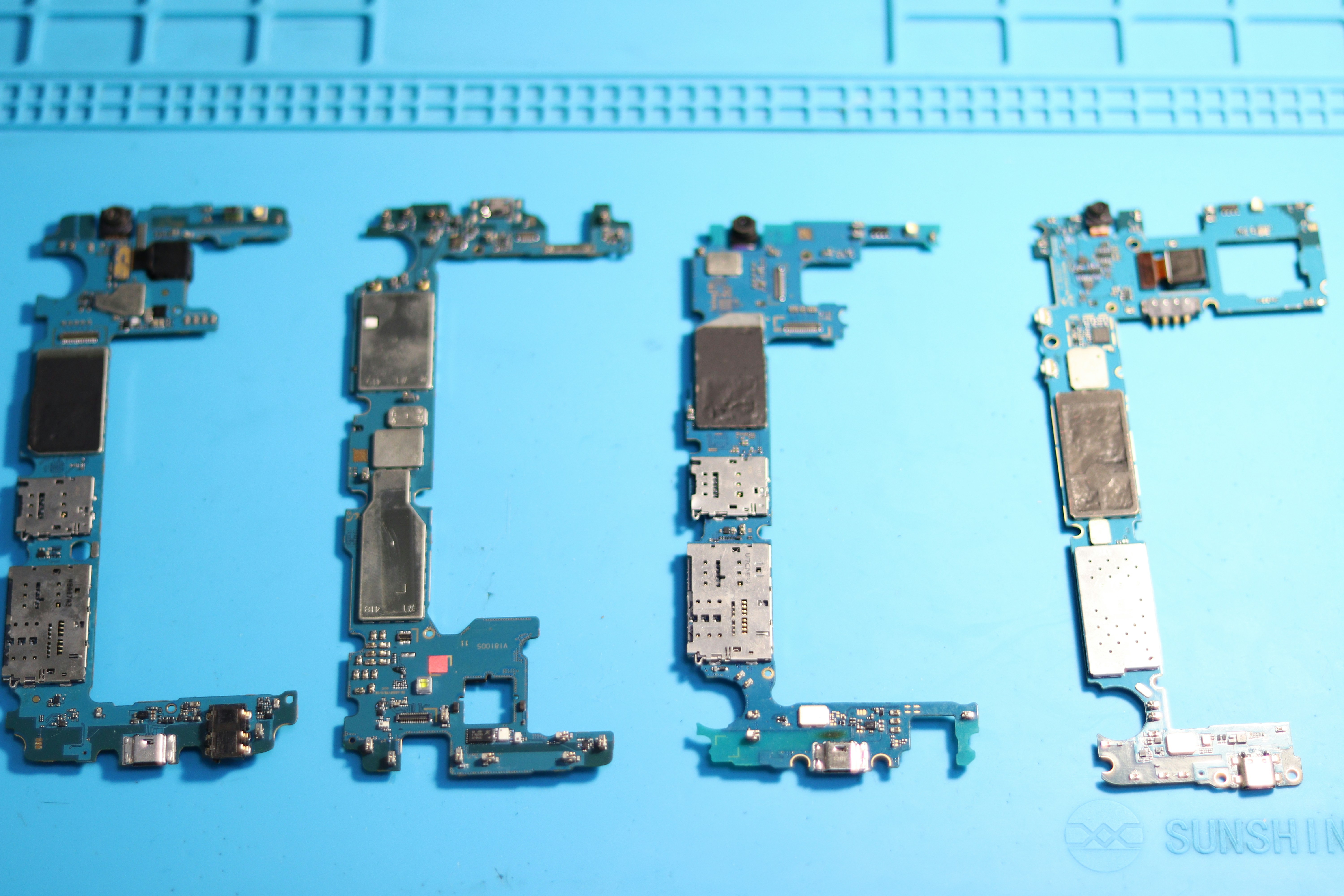
Edge AI wouldn’t be possible without breakthroughs in processing power delivered by companies leading the charge in specialized hardware. In 2026, expect edge focused chips to reshape what’s possible in real time, on device AI.
Leading the Innovation: Qualcomm, NVIDIA, and Apple
Several industry giants are driving the development of lightweight, high efficiency chips tailored for edge computing:
Qualcomm is producing AI optimized mobile processors capable of running complex models on handheld devices with minimal battery drain.
NVIDIA continues to bridge the cloud to edge divide with powerful yet compact GPUs used in everything from autonomous vehicles to industrial robots.
Apple blends custom silicon like the M series and Neural Engine for seamless on device intelligence across its ecosystem.
These innovations are making it possible to run demanding machine learning models without relying on cloud infrastructure.
The Rise of TinyML
TinyML machine learning on ultra low power devices is becoming a core component of smart edge solutions:
Enables AI capabilities on microcontrollers and sensors with constrained resources
Reduces energy usage dramatically while still providing powerful inference capabilities
Ideal for use cases like predictive maintenance, agricultural monitoring, and smart home automation
TinyML makes edge AI not only faster, but also more sustainable and cost effective.
Custom Silicon, Tailored Intelligence
Hardware is getting more specialized:
Companies are developing task specific silicon (ASICs) designed for narrow edge use cases like voice processing, object detection, or encryption.
These chips prioritize low latency decision making and energy efficiency over general purpose computing.
The result: smarter, smaller, and more resilient devices even in remote or infrastructure poor environments.
Custom edge AI hardware is paving the way for broader adoption across sectors previously dependent on cloud connectivity.
Integration with Other Disruptive Tech
Edge AI and blockchain might sound like buzzword soup, but together, they solve a real problem: how to process critical data locally while maintaining trust and transparency across a distributed system. By pushing AI decision making out to the edge on devices, routers, and embedded systems you cut lag, reduce cloud dependency, and speed up responses. But blockchain comes in to hold the data accountable, validate it, and keep it decentralized.
This combo is especially strong where security and traceability are non negotiable. Think supply chains that self audit, or predictive maintenance schedules that are tamper proof by design. Edge AI flags the issue in real time; blockchain locks in the event history.
The tie in doesn’t stop at transparency. Predictive analytics becomes exponentially more effective when paired with autonomous, local decisions. Automations become smarter, more context aware, and faster. You’re not just streaming data you’re acting on it the moment it matters.
Explore blockchain’s evolving role here
What Comes Next
Edge AI isn’t just getting smarter it’s getting easier to manage. Edge orchestration tools are stepping up to simplify large scale AI deployments across fleets of devices. That means managing updates, workloads, and performance monitoring from a single control plane, without having to touch each device individually. What used to require a specialized team and custom infrastructure is steadily becoming plug and play.
Open source models are also breaking down the barriers to entry. You don’t need a massive compute budget or an R&D team to get functional edge AI off the ground anymore. Lightweight models trained on open data can now be fine tuned for real world tasks everything from routes for autonomous drones to energy usage in smart homes. This democratization is making serious edge innovation possible for startups and smaller developers.
Then there’s federated learning. It’s no longer theoretical it’s becoming a core pillar of privacy first edge AI. Rather than sending sensitive data to the cloud, federated systems train models directly on devices, pushing only insights (not raw data) to a shared model. It’s a game changer for industries bound by regulation: healthcare, finance, even smart energy.
The days of complex, centralized AI deployment are numbered. What’s next is fast, private, and tailored for every edge node you own.
Bottom Line: Edge Is No Longer Optional
The cloud isn’t fast enough anymore. For companies that rely on real time data think logistics firms, hospitals, manufacturers waiting for information to ping back and forth between servers can cost time, money, and sometimes lives. The old cloud first model introduces delays where there shouldn’t be any.
That’s why Edge AI isn’t just a nice to have it’s the next standard. By bringing intelligent processing to the source of data (the edge), organizations can move faster, make decisions sooner, and rely less on patchy connectivity. It’s not about replacing cloud workflows entirely it’s about not being limited by them.
Edge AI is already unlocking serious gains across industries: factories are running smarter thanks to predictive maintenance, retail giants are tracking inventory in real time, and hospitals are flagging patient risk conditions without waiting for uploads. More autonomy means fewer bottlenecks. Combine that with innovation tailored to local conditions, and you’ve got a system that’s not just efficient it’s adaptive.
In short, edge AI isn’t the future. It’s the new normal. Adapt or fall behind.
 Ask Stevenielero Logan how they got into practical tech tips and you'll probably get a longer answer than you expected. The short version: Stevenielero started doing it, got genuinely hooked, and at some point realized they had accumulated enough hard-won knowledge that it would be a waste not to share it. So they started writing.
What makes Stevenielero worth reading is that they skips the obvious stuff. Nobody needs another surface-level take on Practical Tech Tips, Latest Tech News and Innovations, Software Development Insights. What readers actually want is the nuance — the part that only becomes clear after you've made a few mistakes and figured out why. That's the territory Stevenielero operates in. The writing is direct, occasionally blunt, and always built around what's actually true rather than what sounds good in an article. They has little patience for filler, which means they's pieces tend to be denser with real information than the average post on the same subject.
Stevenielero doesn't write to impress anyone. They writes because they has things to say that they genuinely thinks people should hear. That motivation — basic as it sounds — produces something noticeably different from content written for clicks or word count. Readers pick up on it. The comments on Stevenielero's work tend to reflect that.
Ask Stevenielero Logan how they got into practical tech tips and you'll probably get a longer answer than you expected. The short version: Stevenielero started doing it, got genuinely hooked, and at some point realized they had accumulated enough hard-won knowledge that it would be a waste not to share it. So they started writing.
What makes Stevenielero worth reading is that they skips the obvious stuff. Nobody needs another surface-level take on Practical Tech Tips, Latest Tech News and Innovations, Software Development Insights. What readers actually want is the nuance — the part that only becomes clear after you've made a few mistakes and figured out why. That's the territory Stevenielero operates in. The writing is direct, occasionally blunt, and always built around what's actually true rather than what sounds good in an article. They has little patience for filler, which means they's pieces tend to be denser with real information than the average post on the same subject.
Stevenielero doesn't write to impress anyone. They writes because they has things to say that they genuinely thinks people should hear. That motivation — basic as it sounds — produces something noticeably different from content written for clicks or word count. Readers pick up on it. The comments on Stevenielero's work tend to reflect that.