
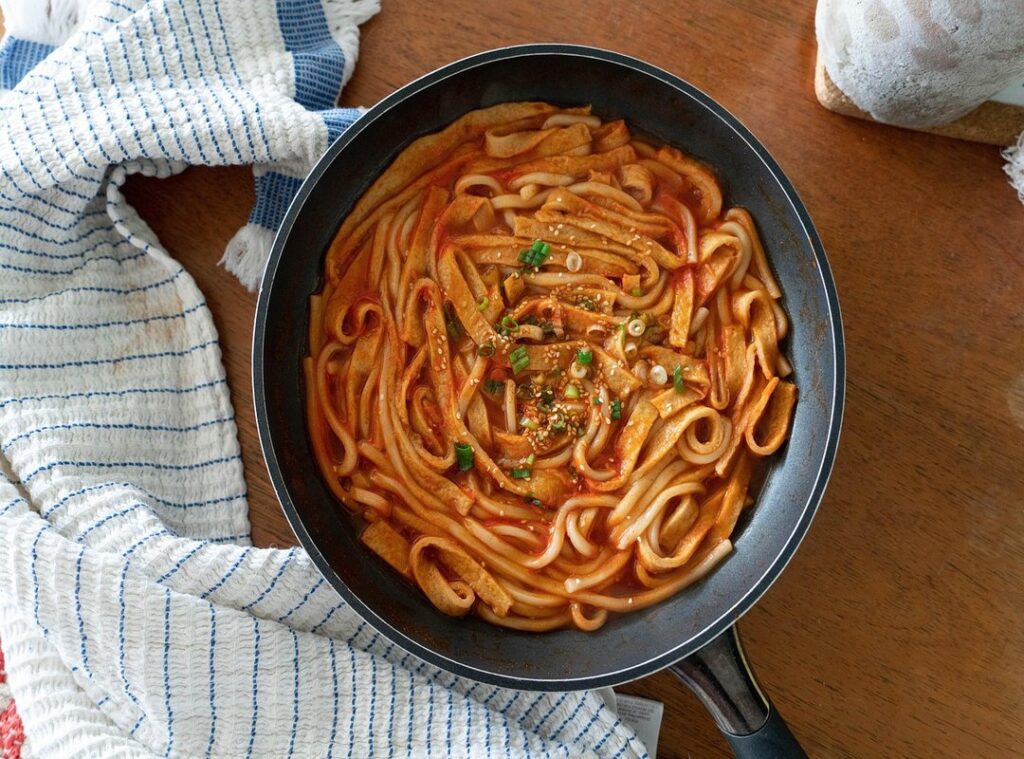
Gochujang is one of those ingredients that can really spice up your cooking. You might have heard about it but aren’t sure what it is or where to get it. That’s where gochujang continente comes in.
I’ll break it down for you, so you know exactly what it is and how to find it. Trust me, once you try it, you’ll wonder how you ever cooked without it.
What is Gochujang?
Gochujang is a traditional Korean fermented red chili paste. It’s made from red chili powder, glutinous rice, fermented soybeans, and salt.
The history of gochujang goes back centuries. It’s deeply rooted in Korean culture and is a staple in many households.
Now, let’s talk about the taste. Gochujang has a unique flavor profile. It’s spicy, sweet, and umami all at once.
The texture is thick and slightly sticky, making it perfect for adding depth to dishes.
One practical way to use gochujang is in marinades. Just mix it with some soy sauce, garlic, and a bit of sugar. Use this mixture to marinate your favorite protein—like chicken or tofu—before grilling or baking.
Another idea is to stir it into sauces. Add a spoonful to your next batch of stir-fry sauce. It gives a nice kick and a rich, savory flavor.
Pro tip: Start with a small amount if you’re not used to the heat. You can always add more, but you can’t take it out once it’s in there.
Gochujang continente is versatile and can be used in many different ways. Experiment with it in your kitchen and see what delicious creations you can come up with!
Common Uses of Gochujang
Gochujang is a staple in Korean cuisine, and for good reason. It adds a unique depth of flavor with its sweet, spicy, and savory profile.
Cooking: You’ll find gochujang in many traditional dishes. Bibimbap, for example, gets a lot of its flavor from this red pepper paste. It’s also a key ingredient in stews and marinades, giving them that signature kick.
Dipping sauces are another great use. Mix gochujang with a bit of soy sauce, vinegar, and sesame oil. It makes a fantastic dip for grilled meats and veggies.
Fusion Cuisine: Don’t be afraid to get creative. Gochujang can spice up non-Korean dishes too. Try it in a burger sauce or as a base for a pizza.
It’s a game-changer.
Pro tip: A little goes a long way. Start with a small amount and adjust to your taste.
Gochujang continente is versatile and can elevate almost any dish. Whether you’re sticking to tradition or experimenting, it’s a must-have in your pantry.
Where to Find Gochujang at Continente
When you walk into Continente, the first thing you might notice is the variety of international foods. The gochujang continente section is no exception.
Head straight to the international foods aisle. You’ll often find it nestled among other Asian ingredients. The shelves are usually well-organized, making it easy to spot.
If you’re looking for specific brands, keep an eye out for CJ Haechandle and Sunchang. CJ Haechandle is known for its smooth, balanced flavor, while Sunchang offers a more robust, spicy kick.
Sometimes, you might even catch a whiff of the fermented red pepper paste as you pass by. It’s that distinct, slightly sweet and tangy aroma that tells you you’re in the right place.
For those who prefer shopping from home, Continente’s online store is a great option. Just search for gochujang, add it to your cart, and choose your preferred delivery or pickup time.
It’s that simple.
How to Choose the Right Gochujang
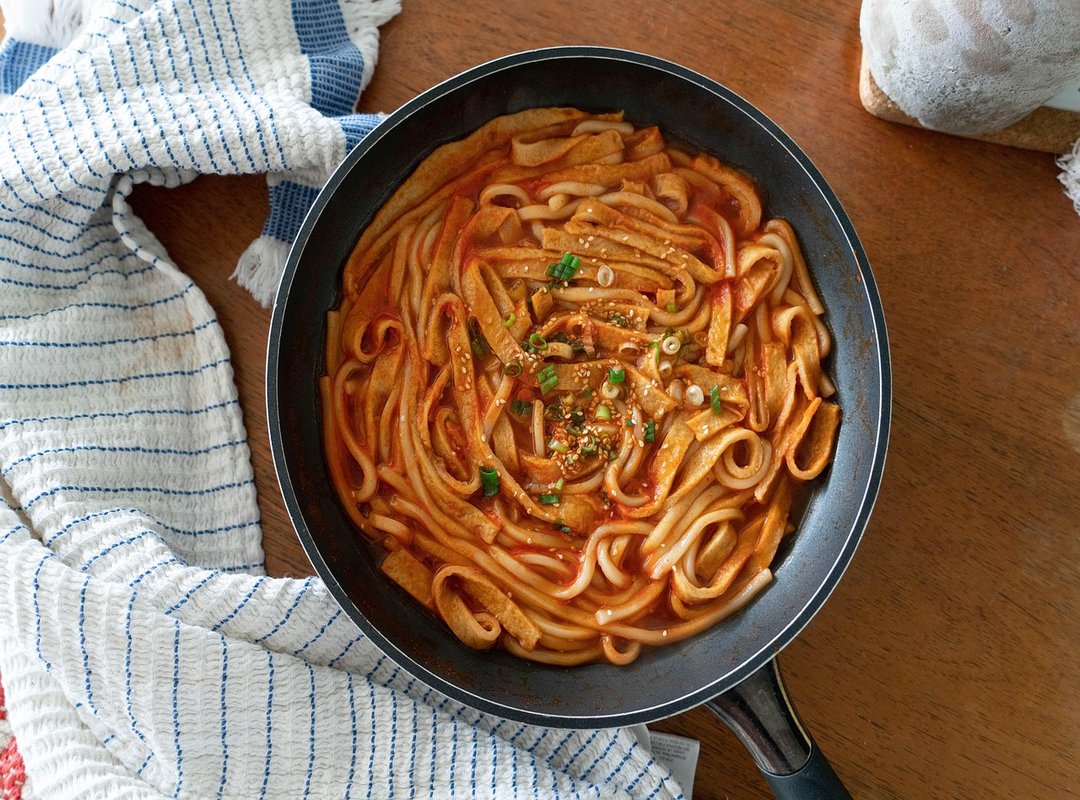
When it comes to picking the perfect gochujang, label reading is your first step. Look for key ingredients like red chili powder, sticky rice, and fermented soybeans. These are the building blocks of authentic gochujang. find out more
SPICE LEVEL matters too. Some brands offer a range from mild to extra spicy. If you’re new to gochujang, start with a milder version.
You can always add more if you want more heat.
Quality is another big factor. High-quality gochujang should have a smooth, paste-like consistency. It shouldn’t be too runny or too thick.
The packaging should also look professional and well-sealed.
| Indicator | What to Look For |
|---|---|
| Ingredients | Red chili powder, sticky rice, fermented soybeans |
| Consistency | Smooth, paste-like |
| Packaging | Professional, well-sealed |
Brand reputation is also important. Stick with well-known brands that have a good track record. They tend to have higher quality control and consistent products.
Gochujang continente can vary widely, so it’s worth trying a few different brands to find the one that suits your taste. Trust me, once you find the right one, it’ll become a staple in your kitchen.
FAQs About Gochujang and Continente
Is gochujang gluten-free? Well, it depends. Most traditional gochujang recipes include wheat flour, which means they’re not gluten-free.
But some brands offer gluten-free versions, so always check the label.
Can I substitute gochujang with other condiments? Sure, you can, but it won’t be the same. Some people use sriracha or hot sauce, but they lack the depth and sweetness of gochujang.
If you’re in a pinch, mix a bit of miso paste with chili flakes for a closer match.
How long does gochujang last? It’s pretty durable. Unopened, it can last up to two years.
Once opened, keep it in the fridge, and it should stay good for about six months.
- Store gochujang in an airtight container.
- Keep it in the refrigerator after opening.
- Check for any off smells or mold before using.
Gochujang continente is a popular choice, but don’t just follow the crowd. Try different brands to find the one that suits your taste best.
Example Recipes Using Gochujang
Bibimbap: A classic Korean dish with a gochujang-based sauce. It’s one of my favorites, and I’ve made it more times than I can count.
Gochujang Glazed Chicken: A simple and delicious recipe for a main course. The first time I tried this, I overcooked the chicken. It was dry and tough.
Not a great experience, but I learned to keep an eye on the cooking time.
Gochujang Dipping Sauce: A versatile sauce for appetizers and snacks. I once made it too spicy by adding too much gochujang. My guests were in tears, and not from laughter.
Lesson learned: start with a little and adjust to taste.
These recipes are a great way to explore the flavors of gochujang continente. Just remember, a little goes a long way.
Embrace the Flavor of Gochujang
Gochujang is a versatile and flavorful Korean chili paste. It adds a unique depth to dishes with its perfect blend of spicy, sweet, and savory notes. You can use it in marinades, stews, or as a dipping sauce.
gochujang continente offers a convenient way to get this ingredient. Incorporate gochujang into your recipes for an exciting twist. Experiment with it in different cuisines to discover new flavors.
Its versatility makes it a must-have in any kitchen. Enjoy the deliciousness and creativity it brings to your cooking.
 Carol Hartmansiner writes the kind of gadget reviews and comparisons content that people actually send to each other. Not because it's flashy or controversial, but because it's the sort of thing where you read it and immediately think of three people who need to see it. Carol has a talent for identifying the questions that a lot of people have but haven't quite figured out how to articulate yet — and then answering them properly.
They covers a lot of ground: Gadget Reviews and Comparisons, Latest Tech News and Innovations, Practical Tech Tips, and plenty of adjacent territory that doesn't always get treated with the same seriousness. The consistency across all of it is a certain kind of respect for the reader. Carol doesn't assume people are stupid, and they doesn't assume they know everything either. They writes for someone who is genuinely trying to figure something out — because that's usually who's actually reading. That assumption shapes everything from how they structures an explanation to how much background they includes before getting to the point.
Beyond the practical stuff, there's something in Carol's writing that reflects a real investment in the subject — not performed enthusiasm, but the kind of sustained interest that produces insight over time. They has been paying attention to gadget reviews and comparisons long enough that they notices things a more casual observer would miss. That depth shows up in the work in ways that are hard to fake.
Carol Hartmansiner writes the kind of gadget reviews and comparisons content that people actually send to each other. Not because it's flashy or controversial, but because it's the sort of thing where you read it and immediately think of three people who need to see it. Carol has a talent for identifying the questions that a lot of people have but haven't quite figured out how to articulate yet — and then answering them properly.
They covers a lot of ground: Gadget Reviews and Comparisons, Latest Tech News and Innovations, Practical Tech Tips, and plenty of adjacent territory that doesn't always get treated with the same seriousness. The consistency across all of it is a certain kind of respect for the reader. Carol doesn't assume people are stupid, and they doesn't assume they know everything either. They writes for someone who is genuinely trying to figure something out — because that's usually who's actually reading. That assumption shapes everything from how they structures an explanation to how much background they includes before getting to the point.
Beyond the practical stuff, there's something in Carol's writing that reflects a real investment in the subject — not performed enthusiasm, but the kind of sustained interest that produces insight over time. They has been paying attention to gadget reviews and comparisons long enough that they notices things a more casual observer would miss. That depth shows up in the work in ways that are hard to fake.