
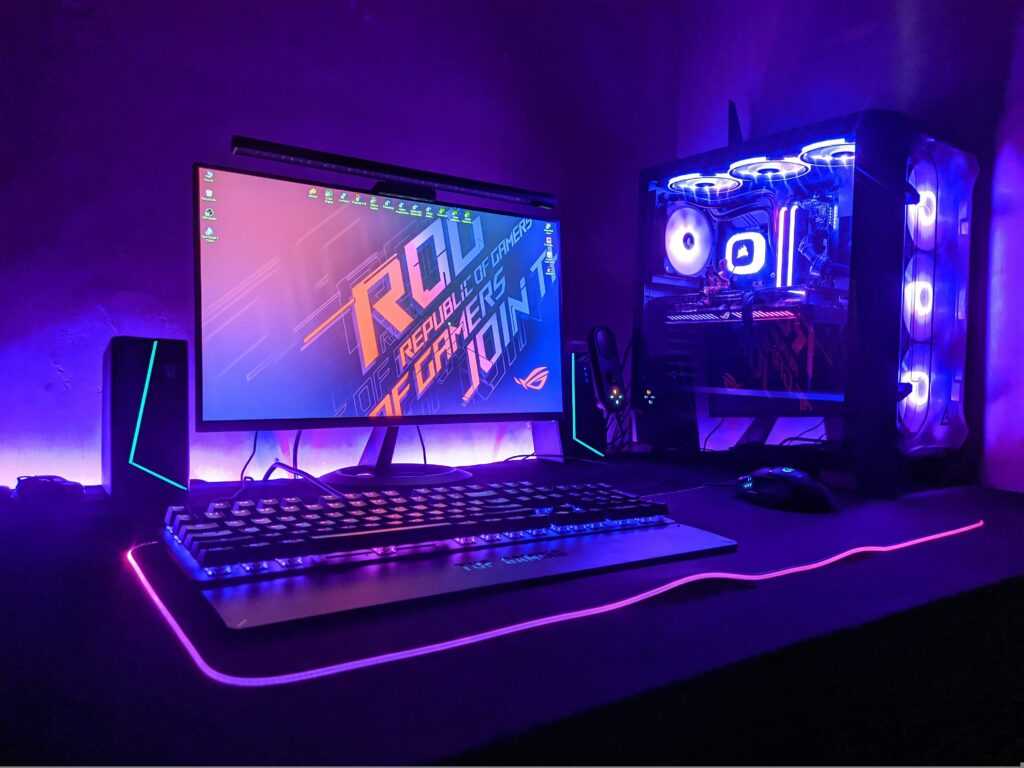
Live gaming has become a defining part of modern digital entertainment. It includes real-time experiences such as live dealer games, multiplayer environments, and advanced slot titles that respond instantly to player input. These games rely on continuous data exchange, streaming technology, and interactive systems that operate without delay.
As live gaming evolves, hardware requirements have become more demanding. As we wrote in our post on 10 ways to speed up your slow laptop, many devices struggle to maintain performance over time. This is especially true when used regularly for gaming. Limited processing power can affect speed, visuals, and responsiveness. Understanding the different requirements of live gaming helps explain why stronger systems are essential and what happens when performance falls short.
The Evolution Of Live Gaming And Slot Technology
The live gaming landscape continues to expand with improvements in graphics, streaming quality, and interactive features. Slot games have played a significant role in this development, particularly through online platforms that deliver real-time gameplay experiences.
Developers such as Jili have contributed to this evolution by hosting advanced slot titles that feature high-quality visuals, smooth animations, and immersive sound design. The Jili slot games include real-time elements such as interactive bonuses, live-style mechanics, and responsive gameplay that reacts instantly to user input. Live slots now operate with enhanced visual effects and detailed themes that require consistent performance from the player’s device. As these games become more sophisticated, the need for stronger processing power becomes more important.
Real-Time Data Processing Requirements
Live games depend on constant communication between the player’s device and external servers. Every action, from placing a bet to triggering a feature, must be processed instantly. This creates a need for strong processing power that can handle continuous data flow.
ScienceDirect’s processing power guide refers to a system’s ability to perform calculations and execute tasks efficiently. In live gaming, this capability ensures that information is processed quickly and displayed without delay.
When processing power is insufficient, the game may lag or freeze during critical moments. These interruptions affect the user experience and can disrupt gameplay. Reliable processing ensures smooth interaction and consistent performance.
Graphics and Rendering Demands
Modern live games feature detailed visuals that enhance immersion. High-resolution graphics, animations, and dynamic effects require a system that can render images quickly and accurately.
Live slot games provide a clear example of these demands. Modern slots have advanced titles with vibrant themes, smooth animations, and interactive features that operate in real time. These elements require consistent graphical performance to maintain visual quality.
If a system cannot handle these demands, players may notice frame drops, delayed animations, or reduced visual clarity. Improving processing power allows the system to manage these graphics effectively, which supports a more engaging experience. When upgrading your graphics card, a LinkedIn post notes that the first thing you need to do is to check if your computer can support a new graphics card. The power supply should have enough wattage and connectors to power the graphics card, usually a 6-pin or 8-pin connector.
Network Synchronization and Stability
Live gaming requires strong synchronization between the player’s device and online servers. This process ensures that all actions occur in real time and reflect accurately within the game environment.
Processing power plays a role in maintaining this synchronization. The system must manage incoming and outgoing data while running the game itself. This includes handling network updates, maintaining connections, and processing live events.
When processing capability is limited, synchronization issues can occur. Players may experience delays in updates or inconsistencies in gameplay. Strong processing power supports stable connections and accurate real-time interaction.
Multitasking and System Performance
Many players use their devices for multiple activities while gaming. Background applications, streaming services, and communication tools all require system resources. Live gaming must operate alongside these processes without performance loss.
A system with higher processing power can manage multiple tasks efficiently. It can allocate resources to different applications while maintaining smooth gameplay. This ensures that live games continue to run without interruption.
When processing power is limited, multitasking becomes difficult. The system may slow down, and games may experience interruptions. Improving processing capability supports stable performance across all activities.
Load Times and Continuous Updates
Live games often involve frequent updates and data transfers. These updates ensure that players receive the latest information and features in real time. Processing power influences how quickly these updates are handled.
A stronger system can process data faster, reducing load times and allowing seamless transitions between game features. This improves accessibility and ensures that players can engage with live content without delays.
When processing capability is lower, load times increase, and transitions become slower. This affects the overall experience and can reduce engagement. Efficient processing supports faster updates and smoother gameplay.
The Ramifications of Insufficient Processing Power
When a system lacks the necessary processing power, several issues can arise. Lag, delays, and interruptions affect gameplay and reduce immersion. Visual quality may decline, and interactions may feel unresponsive.
These issues can also influence user confidence. Players expect live games to operate smoothly, and performance problems can lead to frustration. Over time, this may reduce engagement and limit the appeal of certain platforms.
In competitive or real-time environments, performance issues can affect outcomes. Delayed responses or missed inputs can influence results, which highlights the importance of reliable hardware.
The Importance of Upgrading for Live Gaming
Improving processing power supports all aspects of live gaming. It ensures that systems can handle real-time data, render graphics efficiently, and maintain stable connections. This creates a consistent and enjoyable experience for players.
As live gaming continues to evolve, hardware requirements will increase. Developers will introduce more advanced features, and players will expect higher performance standards. Upgrading processing power allows users to keep pace with these developments.
By understanding the different requirements of live gaming and the impact of system performance, players can make informed decisions about their hardware. Strong processing capability provides the foundation for modern gaming experiences and supports long-term engagement.
 Ask Stevenielero Logan how they got into practical tech tips and you'll probably get a longer answer than you expected. The short version: Stevenielero started doing it, got genuinely hooked, and at some point realized they had accumulated enough hard-won knowledge that it would be a waste not to share it. So they started writing.
What makes Stevenielero worth reading is that they skips the obvious stuff. Nobody needs another surface-level take on Practical Tech Tips, Latest Tech News and Innovations, Software Development Insights. What readers actually want is the nuance — the part that only becomes clear after you've made a few mistakes and figured out why. That's the territory Stevenielero operates in. The writing is direct, occasionally blunt, and always built around what's actually true rather than what sounds good in an article. They has little patience for filler, which means they's pieces tend to be denser with real information than the average post on the same subject.
Stevenielero doesn't write to impress anyone. They writes because they has things to say that they genuinely thinks people should hear. That motivation — basic as it sounds — produces something noticeably different from content written for clicks or word count. Readers pick up on it. The comments on Stevenielero's work tend to reflect that.
Ask Stevenielero Logan how they got into practical tech tips and you'll probably get a longer answer than you expected. The short version: Stevenielero started doing it, got genuinely hooked, and at some point realized they had accumulated enough hard-won knowledge that it would be a waste not to share it. So they started writing.
What makes Stevenielero worth reading is that they skips the obvious stuff. Nobody needs another surface-level take on Practical Tech Tips, Latest Tech News and Innovations, Software Development Insights. What readers actually want is the nuance — the part that only becomes clear after you've made a few mistakes and figured out why. That's the territory Stevenielero operates in. The writing is direct, occasionally blunt, and always built around what's actually true rather than what sounds good in an article. They has little patience for filler, which means they's pieces tend to be denser with real information than the average post on the same subject.
Stevenielero doesn't write to impress anyone. They writes because they has things to say that they genuinely thinks people should hear. That motivation — basic as it sounds — produces something noticeably different from content written for clicks or word count. Readers pick up on it. The comments on Stevenielero's work tend to reflect that.